


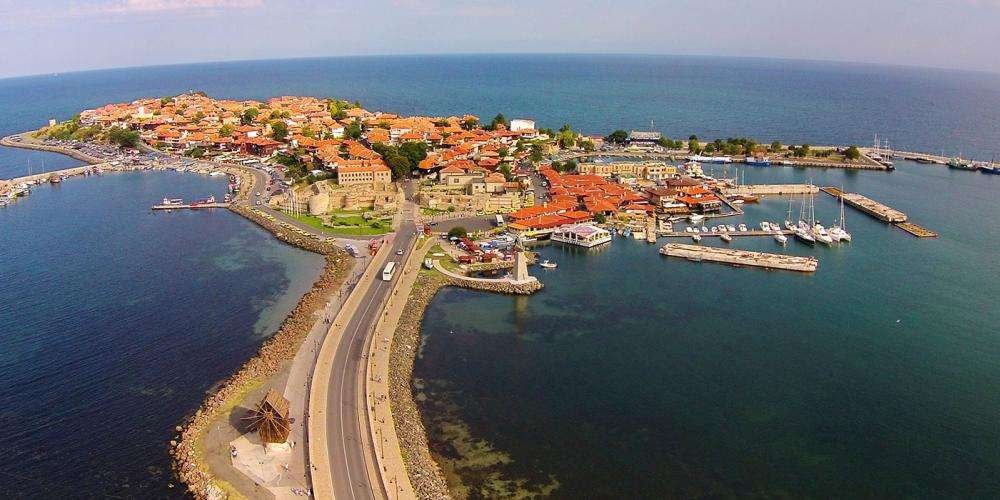
Old Town of Nessebar (UNESCO Site)
🧠 Fact: : A 3,000-year-old town with Roman, Byzantine, and Ottoman influences.
💡 Tip: Get lost in its cobbled streets, best explored on foot.
Info - Jutting out into the Black Sea, Nessebar’s Old Town is a cultural treasure trove recognized as a UNESCO World Heritage Site. With a history spanning over 3,000 years, the town showcases layers of Thracian, Greek, Roman, and Byzantine heritage. Visitors wander cobblestone streets lined with medieval churches, traditional wooden houses, and ancient ruins. Highlights include the Church of Christ Pantocrator and remnants of Roman fortifications. Its seaside charm, coupled with lively cafes and artisan shops, makes Nessebar a must-see for history enthusiasts and romantic travelers alike. Sunset views from the old town walls are especially unforgettable.
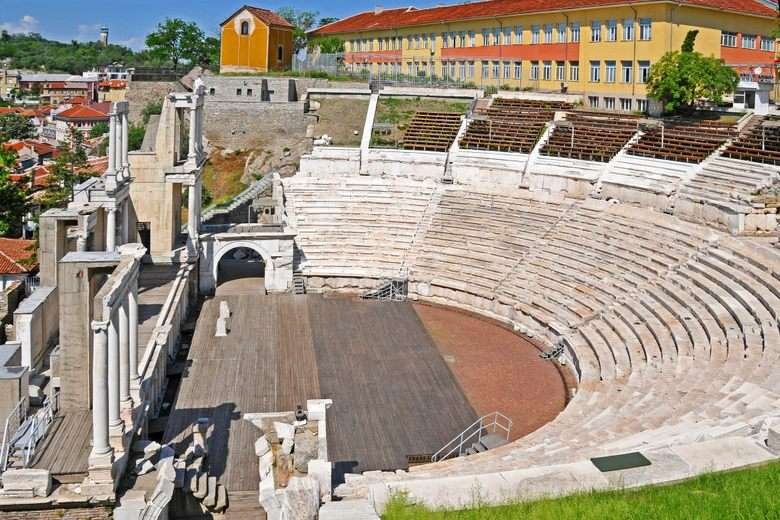
Old Town Plovdiv (Ancient Theatre)
🧠 Fact: The ancient Roman theatre is still used for concerts and performances today.
💡 Tip: Visit during sunset for great photos of the city skyline.
Info - Plovdiv’s Old Town is a beautifully preserved historic quarter, where cobbled streets wind past colorful 19th-century mansions, art galleries, and Roman ruins. At its heart lies the Ancient Theatre of Philippopolis, one of the best-preserved Roman theaters in the world. Built in the 1st century AD, it once seated over 6,000 spectators for gladiator games and performances. Today, it still hosts concerts, plays, and festivals against a backdrop of sweeping views over the city. Exploring the surrounding Old Town feels like stepping back in time, with its mix of medieval walls, Revival-era architecture, and charming cafés tucked into centuries-old houses.
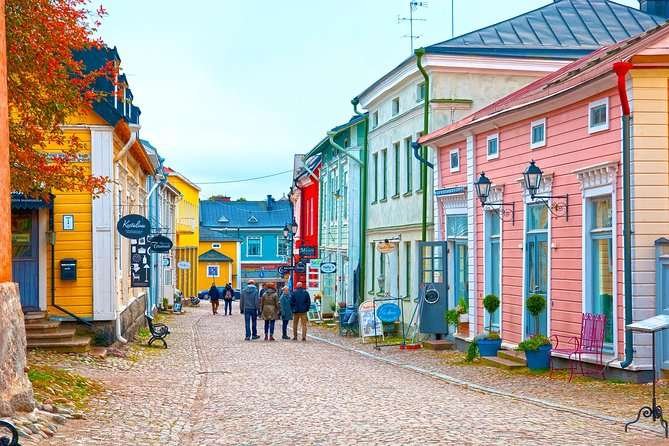
Old Town Porvoo
🧠 Fact: The well-preserved wooden houses date back to the 18th century.
💡 Tip: Walk the cobblestone streets and visit small boutiques and artisan cafes
Info - Old Town Porvoo is one of Finland’s most charming and well-preserved medieval quarters. Its cobblestone streets, colorful wooden houses, and riverside red shorehouses create a postcard-perfect atmosphere. Dating back to the 14th century, the area is filled with boutique shops, cozy cafés, and art galleries. Visitors can wander narrow alleys, explore historic homes, and enjoy the timeless ambiance. Old Town Porvoo beautifully reflects Finnish small-town life, offering a peaceful escape filled with history, charm, and picturesque river views just an hour from Helsinki.
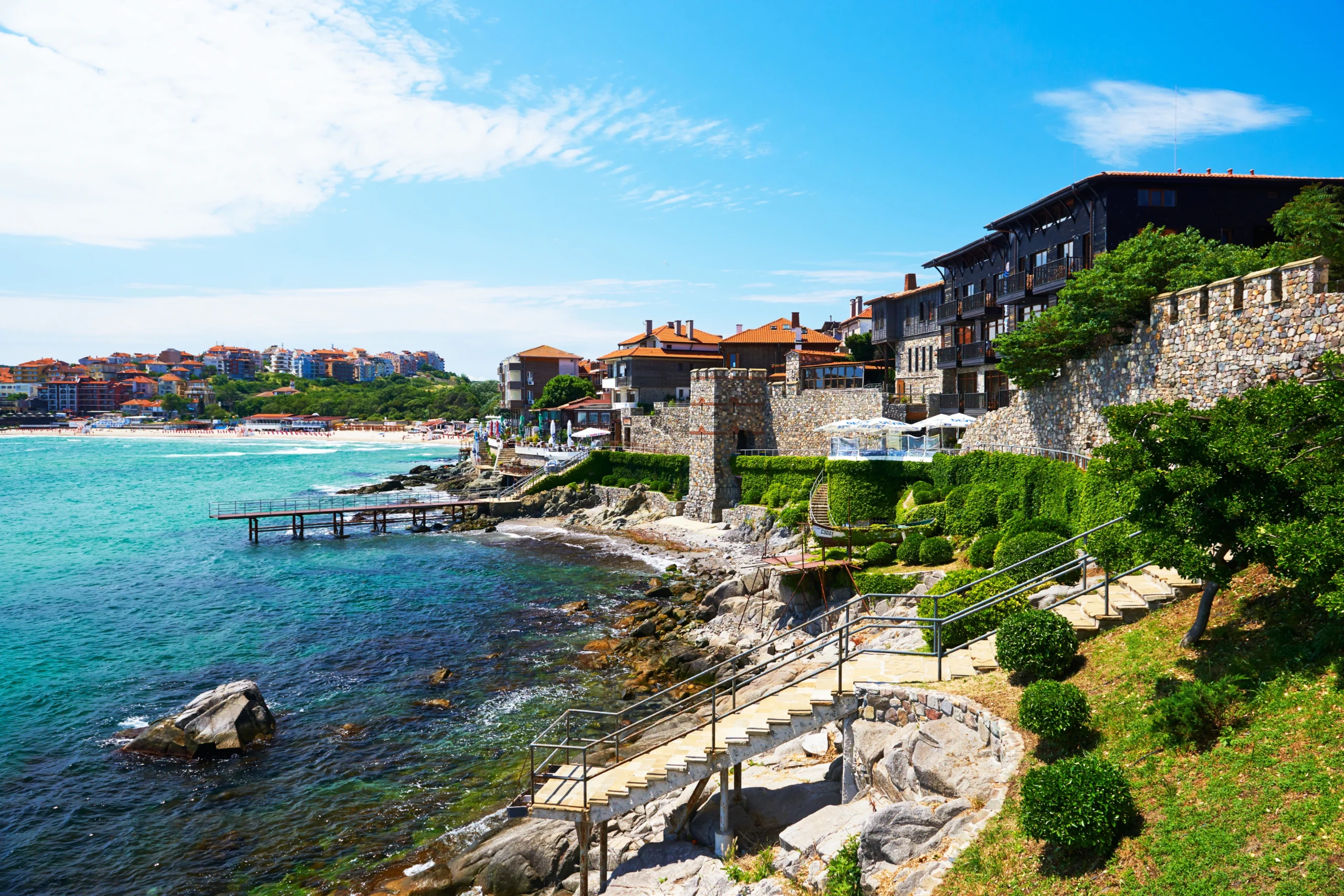
Old Town Sozopol
🧠 Fact: One of Bulgaria’s oldest towns, filled with wooden 19th-century homes
💡 Tip: Visit in September during the Apollonia Arts Festival.
Info -South of Burgas, Sozopol is one of Bulgaria’s oldest towns, founded in the 7th century BC. Its atmospheric Old Town is a maze of narrow cobbled streets, traditional wooden houses, and seaside promenades. Ancient fortifications and archaeological finds tell stories of Thracian and Greek settlers, while charming churches like Saint Zosim Church add spiritual heritage. The town’s small museums showcase treasures from its long history. Seaside restaurants and artisan stalls line the waterfront, perfect for leisurely evenings. Sozopol also hosts an annual Apollonia Arts Festival, drawing performers and artists, making it both a cultural and coastal retreat.
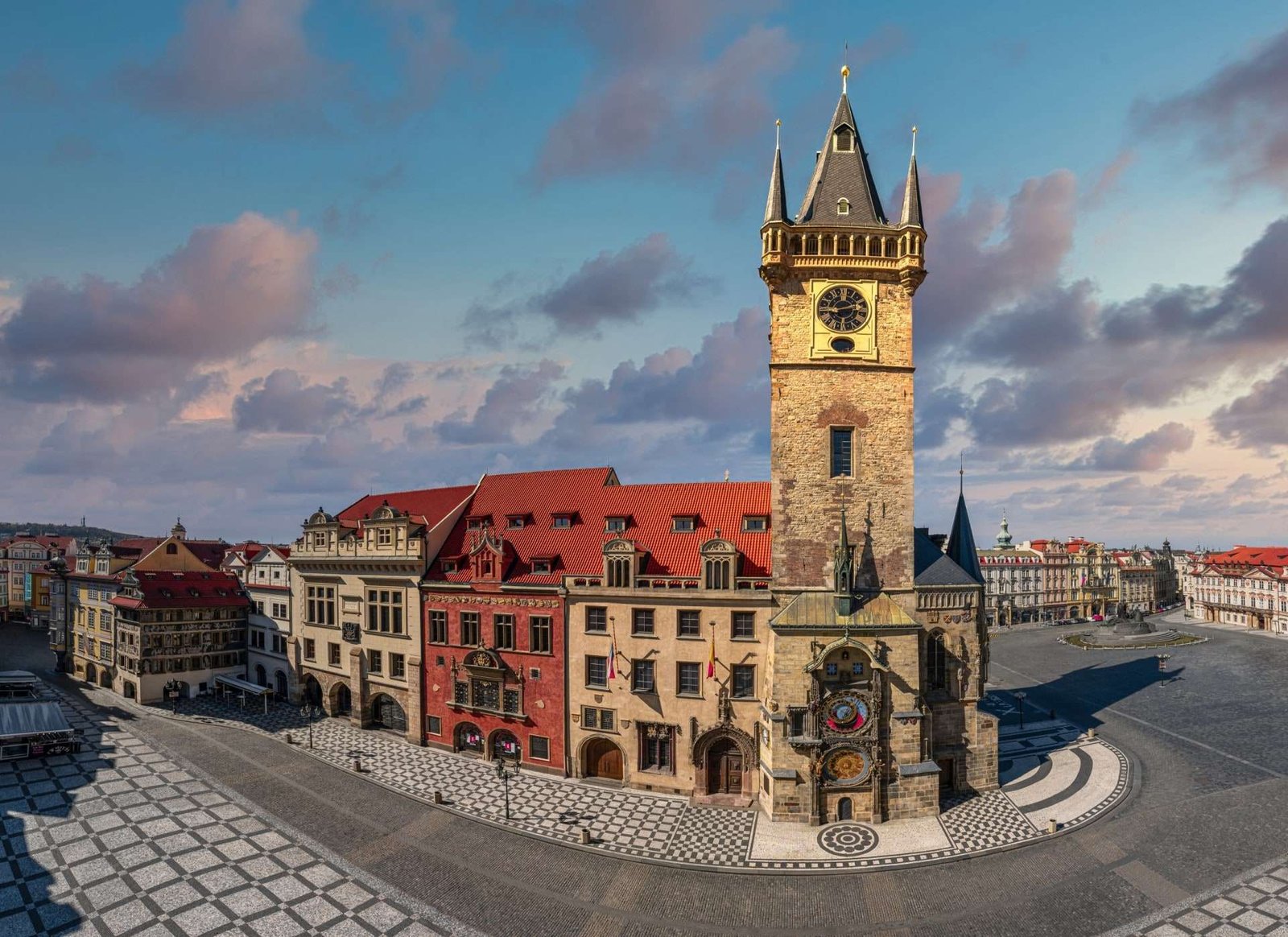
Old Town Square & Astronomical Clock
🧠 Fact: Home to one of the oldest astronomical clocks in the world.
💡 Tip: Arrive early to get a good spot for the hourly show.
Info - The heart of Prague’s historic center, Old Town Square dazzles with Gothic, Renaissance, and baroque architecture. Highlights include the twin spires of Týn Church, pastel-hued facades, and the Old Town Hall Tower, home to the world-famous Astronomical Clock. Installed in 1410, it’s the third-oldest clock of its kind and still operates today. Every hour, crowds gather to watch the procession of the 12 Apostles and symbolic figures strike the time. The square buzzes year-round with markets, festivals, and café terraces, making it one of Europe’s most atmospheric urban spaces.
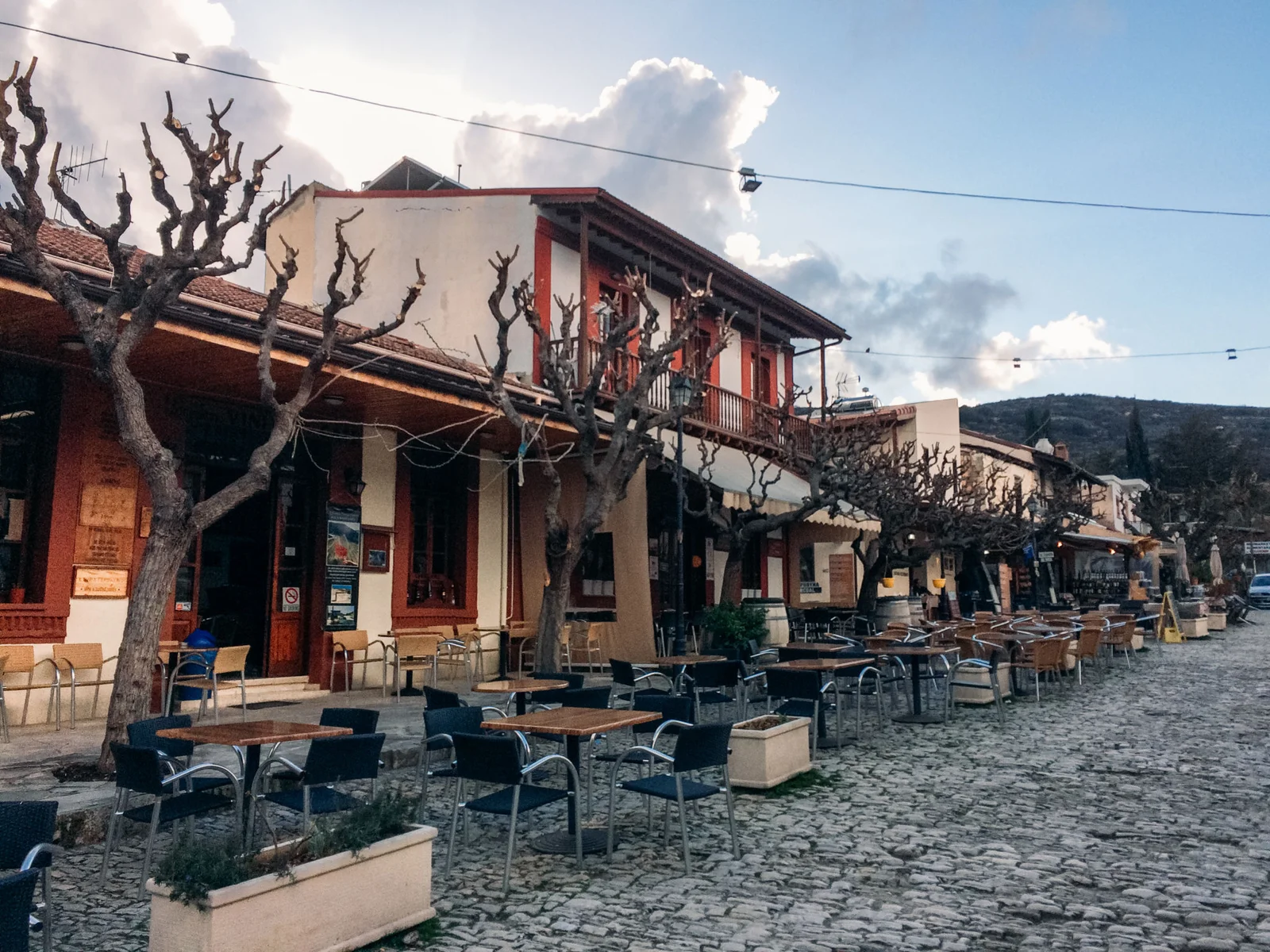
Omodos and Wine Region
🧠 Fact: Omodos is a historic wine village at the heart of Cyprus’s wine country.
💡 Tip: Join a local wine tasting tour for an authentic vineyard experience.
Info - Omodos is one of Cyprus’s most picturesque mountain villages, nestled among vineyards in the Troodos foothills. Famous for its narrow stone streets, rustic charm, and 17th-century Monastery of the Holy Cross, Omodos is a hub of Cypriot wine culture. The surrounding region produces some of the island’s best wines, including the famed Commandaria, one of the world’s oldest named wines. Visitors can tour local wineries, sample indigenous varietals like Xynisteri and Maratheftiko, and savor traditional meze in cozy tavernas. With its scenic setting and deep-rooted winemaking heritage, Omodos is a must-visit for culture and wine lovers alike
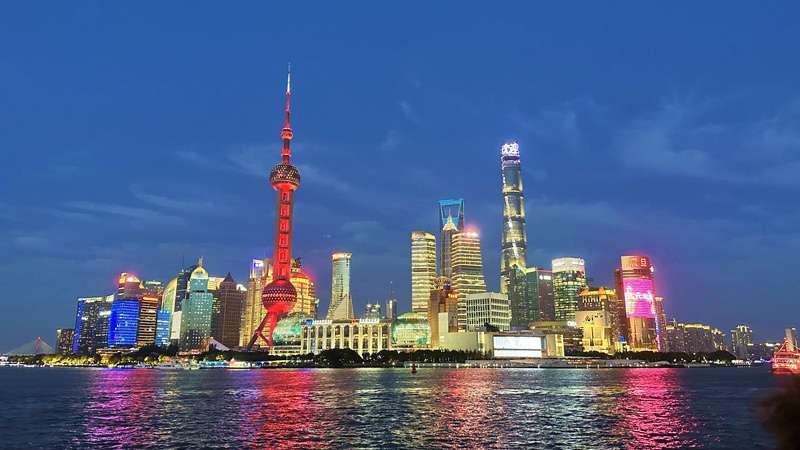
Oriental Pearl Tower
🧠 Fact: Fact: A futuristic tower with panoramic observation decks.
💡 Tip: Try the glass-floor skywalk if you’re brave.
Info - Rising 468 meters over Shanghai, the Oriental Pearl Tower is one of the city’s most recognizable landmarks. Located in the futuristic Lujiazui area of Pudong, the tower features multiple observation decks, including a thrilling glass-bottomed skywalk offering stunning 360-degree views. Inside, visitors will find a history museum, revolving restaurant, and entertainment facilities. Its distinctive spheres and sci-fi design make it a highlight of Shanghai’s skyline. At night, the tower glows with colorful LED lights, reflecting beautifully in the Huangpu River. It’s a must-visit for city views, dining with a skyline backdrop, and family-friendly attractions.
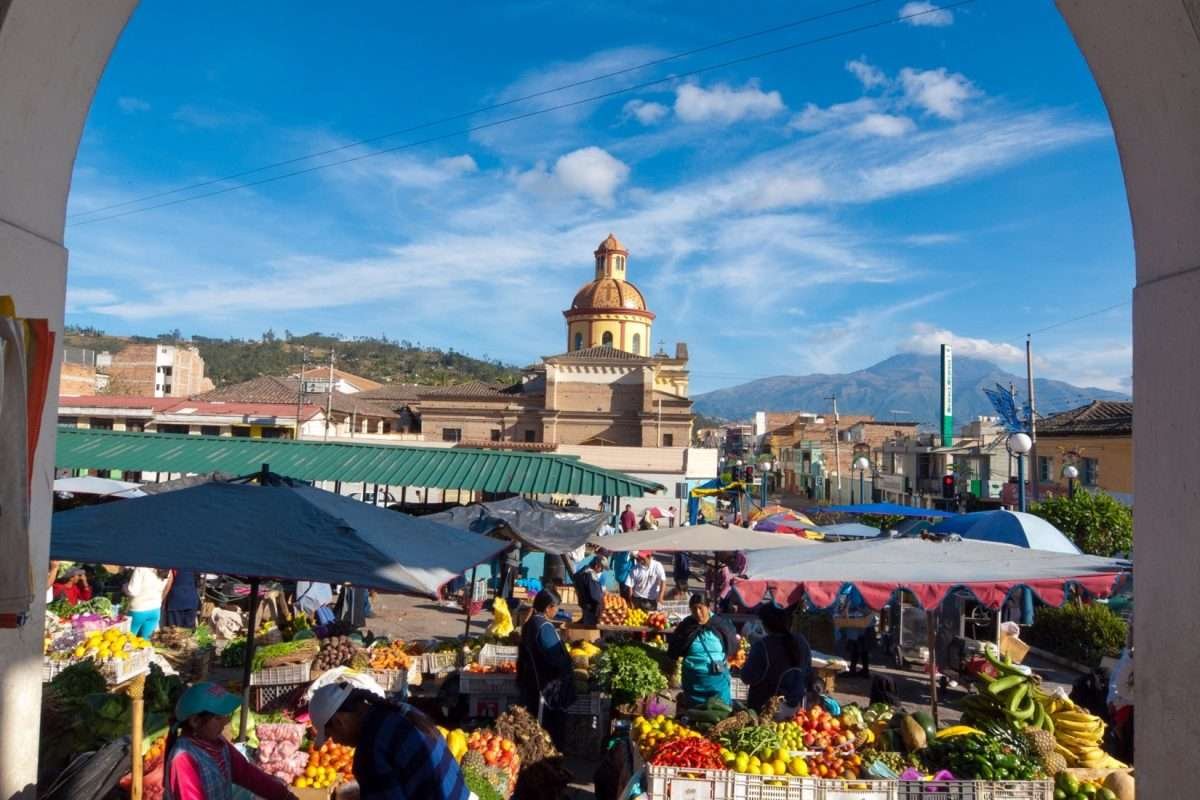
Otavalo
🧠 Fact: : Home to one of South America's most famous indigenous markets, offering textiles, crafts, and local goods.
💡 Tip: Visit on Saturdays for the largest market day, but weekdays offer a more relaxed experience.
Info - Otavalo is a charming highland town in northern Ecuador, famed for its rich indigenous culture and vibrant markets. Surrounded by Andean mountains, including the impressive Imbabura Volcano, Otavalo is a gateway to natural beauty and traditional crafts. The town’s cobbled streets, colonial-era churches, and bustling plazas offer an authentic Andean atmosphere. Visitors come for the local cuisine, friendly atmosphere, and access to surrounding waterfalls, lakes, and ecological reserves. Otavalo’s people, known as Otavaleños, have preserved their distinctive dress, music, and customs, making the town a culturally rich and visually striking stop on any Ecuadorian itinerary.
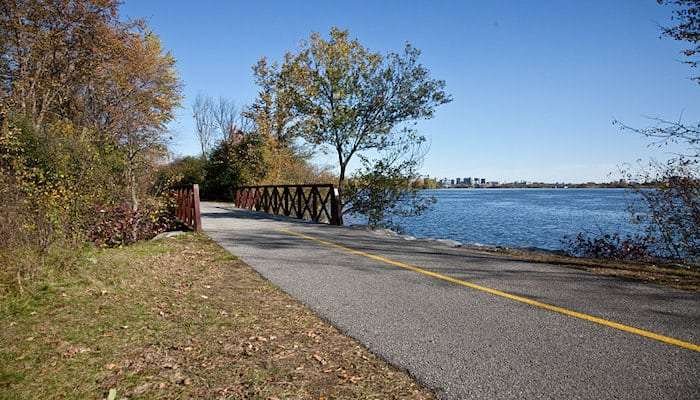
Ottawa River Pathway
🧠 Fact: A scenic multi-use trail stretching along the Ottawa River.
💡 Tip: Perfect for cycling, walking, or jogging while enjoying views of the city.
Info - The Ottawa River Pathway is one of the city’s most scenic recreational trails, stretching along the river’s edge with stunning views of Parliament Hill, museums, and lush green spaces. Ideal for cycling, walking, or jogging, the pathway connects several parks and landmarks, including the Canadian War Museum and Victoria Island. It’s a favorite spot for locals and visitors to unwind, enjoy waterfront picnics, or catch vibrant sunsets over the water. With its well-maintained routes and peaceful ambiance, the Ottawa River Pathway provides a refreshing escape and a perfect way to explore Ottawa’s natural beauty.
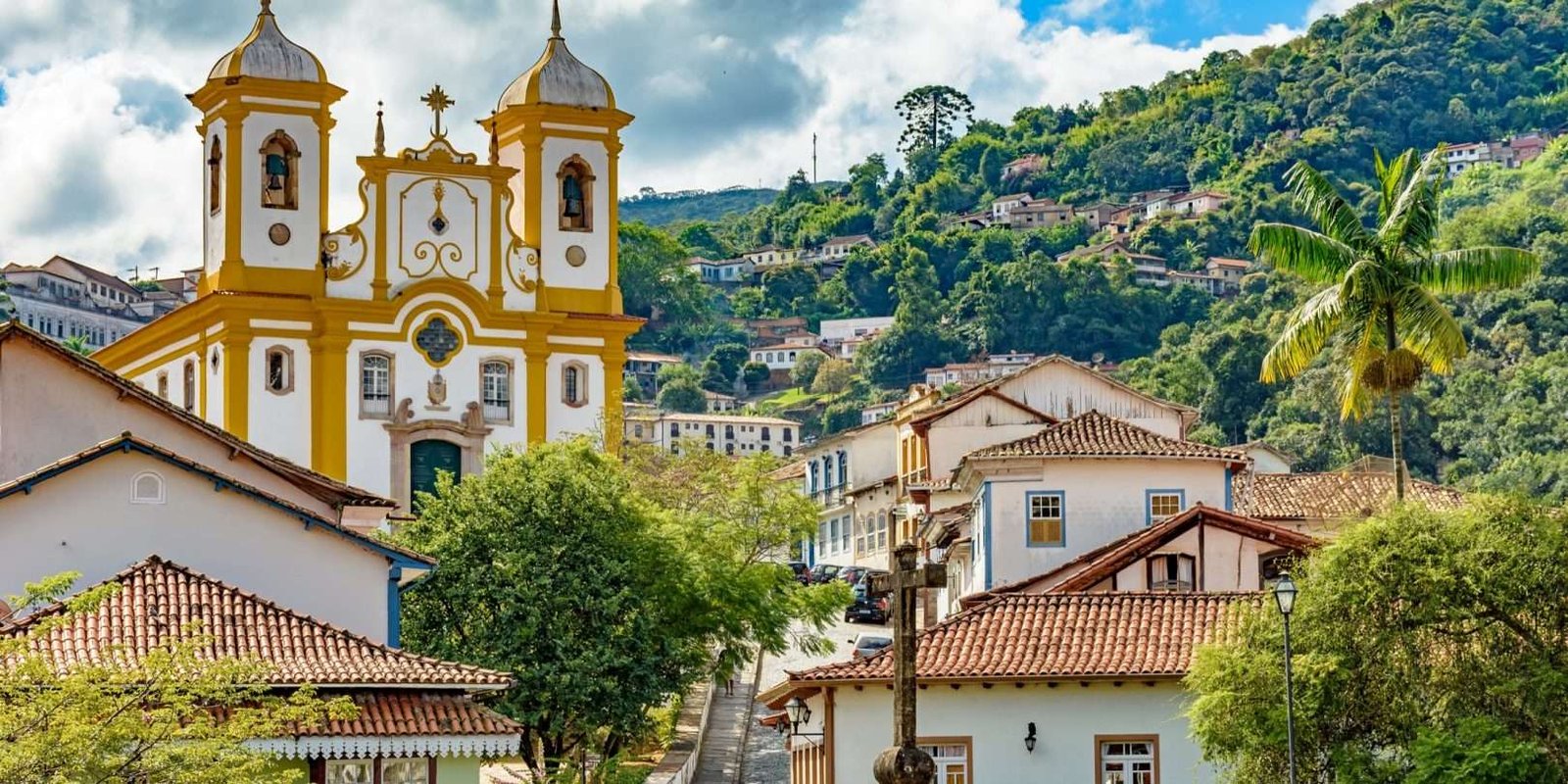
Ouro Preto (Minas Gerais)
🧠 Fact: A UNESCO World Heritage site, famous for its preserved colonial architecture and gold mining history.
💡 Tip: Take a walking tour to discover the town’s rich history and hidden gems.
Info - Ouro Preto is a historic treasure tucked into the hills of Minas Gerais. This colonial-era town is famous for its cobbled streets, Baroque churches, and gold rush history. Highlights include the lavishly decorated Church of São Francisco de Assis and the fascinating Museum of the Inconfidência. Ouro Preto's rich cultural heritage is complemented by its charming squares, artisan markets, and panoramic hillside views. It’s also a hub for regional cuisine and traditional festivals. The town’s preserved 18th-century architecture makes it feel like a living museum and a must-visit for history lovers exploring Brazil’s colonial past.
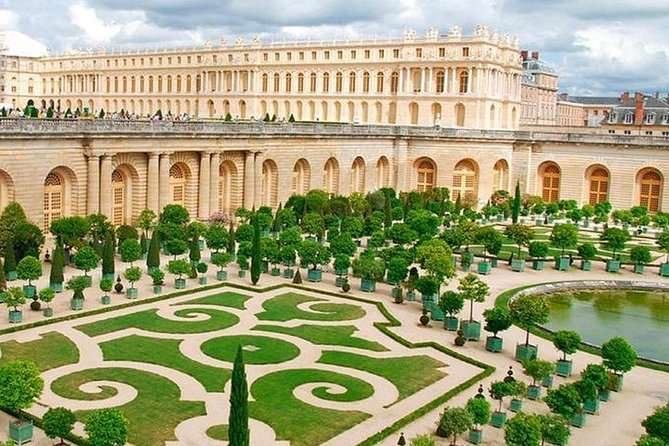
Palace of Versailles
🧠 Fact: The palace covers over 63,000 square meters and has 2,300 rooms
💡 Tip: Arrive early and visit the gardens before they get crowded.
Info - The Palace of Versailles is an opulent symbol of France’s royal past, located just outside Paris. Originally a hunting lodge, it was transformed by Louis XIV into a grandiose residence, famed for its lavish Hall of Mirrors, ornate royal apartments, and expansive formal gardens. Visitors can explore its gilded rooms, classical art collections, and magnificent fountains. The estate also includes the charming Grand Trianon and Queen Marie Antoinette’s Hamlet. A UNESCO World Heritage Site, Versailles represents the height of 17th-century French art, architecture, and regal splendor.
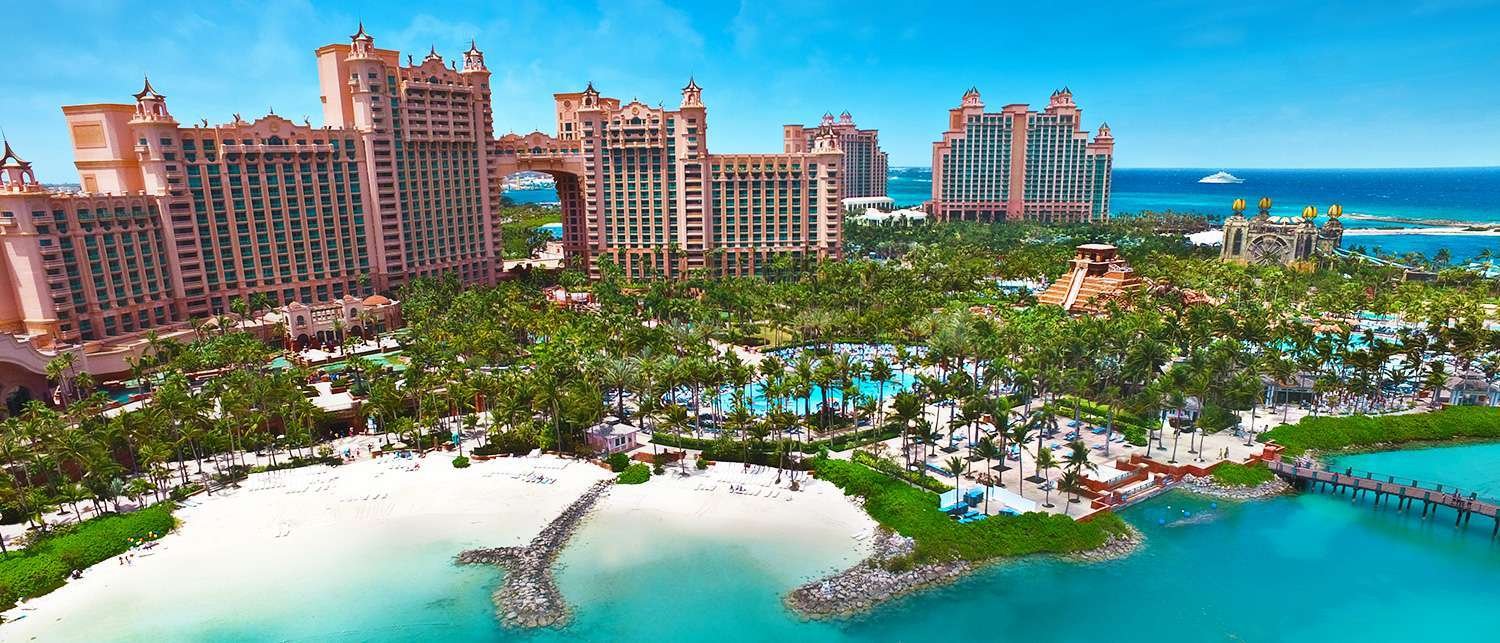
Paradise Island
🧠 Fact: Home to the iconic Atlantis Resort, featuring the world’s largest open-air marine habitat.
💡 Tip: Visit the Aqua venture water park early to avoid crowds.
Info - Just off the coast of Nassau, Paradise Island is famous for its luxurious resorts, white-sand beaches, and the iconic Atlantis Resort. Visitors flock here for high-end casinos, thrilling waterparks, pristine beaches, and vibrant nightlife. The island’s clear turquoise waters are perfect for snorkeling and jet-skiing, while its marinas host impressive yachts. It’s an ideal destination for both relaxation and indulgence, whether you’re lounging on Cabbage Beach or exploring the Marine Habitat’s underwater tunnels teeming with exotic marine life.
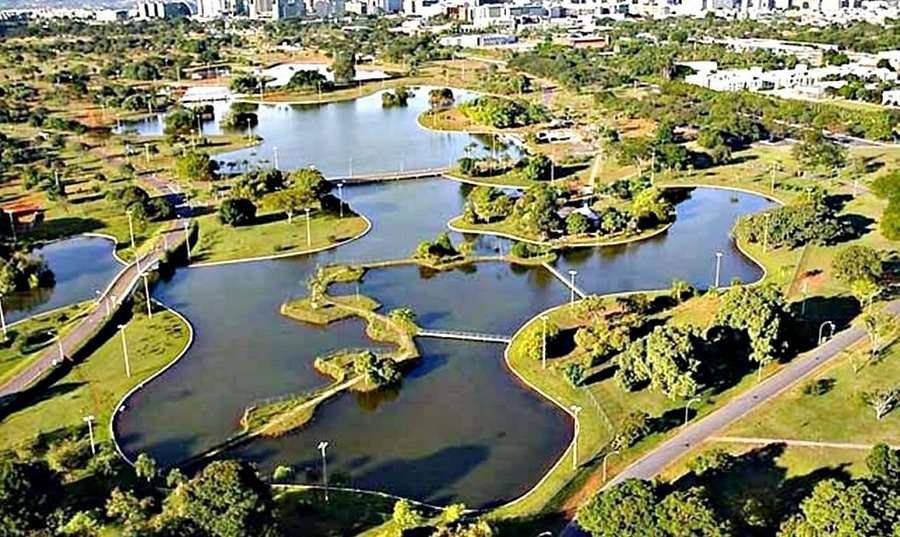
Parque da Cidade Sarah Kubitschek
🧠 Fact: One of the largest urban parks in the world, ideal for jogging, biking, and family outings.
💡 Tip: Rent a bike and cruise the park’s loop early in the morning for a peaceful vibe.
Info - Parque da Cidade Sarah Kubitschek is one of Brazil’s largest urban parks, sprawling across 420 hectares in the heart of Brasília. Beloved by locals for jogging, cycling, and picnicking, it offers lush green spaces, sports courts, lakes, and playgrounds. The park is named after Brazil’s former First Lady and is a favorite weekend retreat for families and fitness enthusiasts alike. Highlights include pedal boats on the lake, outdoor fitness equipment, and shaded trails ideal for walking or biking. It’s a refreshing green escape, offering tranquility and recreation amidst the capital’s famously planned layout.
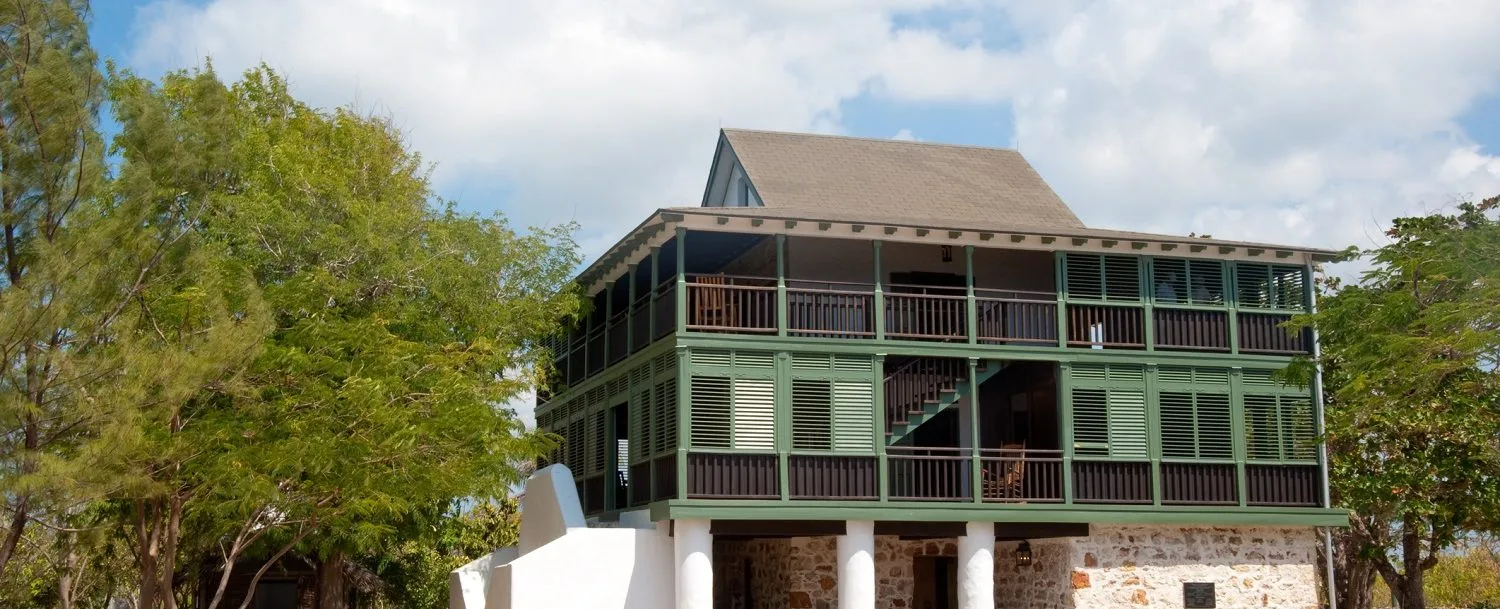
Pedro St. James Castle
🧠 Fact: A restored 18th-century house known as the “Birthplace of Democracy” in Cayman.
💡 Tip: Stay for the multimedia show that brings history to life.
Info - Pedro St. James Castle, often called the “Birthplace of Democracy” in the Cayman Islands, is the oldest stone structure on Grand Cayman. Built in 1780, this historic plantation home has been meticulously restored and transformed into a cultural landmark. Visitors can explore its period-furnished rooms, climb to panoramic ocean views, and experience immersive multimedia presentations about Caymanian history. The site also includes lush grounds, a visitor center, and a restaurant. It’s a must-visit for history buffs and travelers interested in the island’s colonial past, offering a glimpse into 18th-century life in the Caribbean.
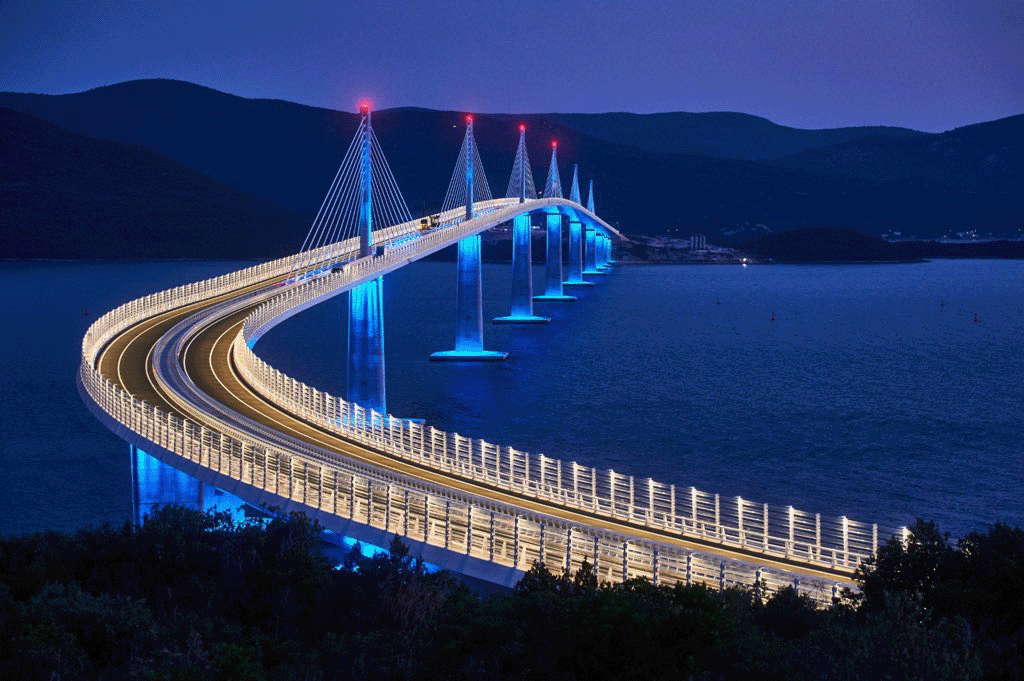
Pelješac Bridge
🧠 Fact: One of the longest bridges in Europe at over 2.4 km.
💡 Tip: Drive the scenic route through the Pelješac wine region.
Info - Pelješac Bridge is Croatia’s modern engineering marvel, gracefully linking the mainland to the Pelješac Peninsula. Opened in 2022, this cable-stayed bridge bypasses the Bosnian coastal town of Neum, uniting southern Dalmatia with Dubrovnik. Stretching over 2.4 kilometers, the bridge offers breathtaking views of the Adriatic Sea and scattered islands below. It’s a vital piece of infrastructure for locals and travelers alike, simplifying access to famed destinations like Ston’s ancient walls, Mali Ston’s oyster farms, and Pelješac’s celebrated vineyards. Beyond its practicality, Pelješac Bridge has become a contemporary symbol of Croatian unity and innovation.
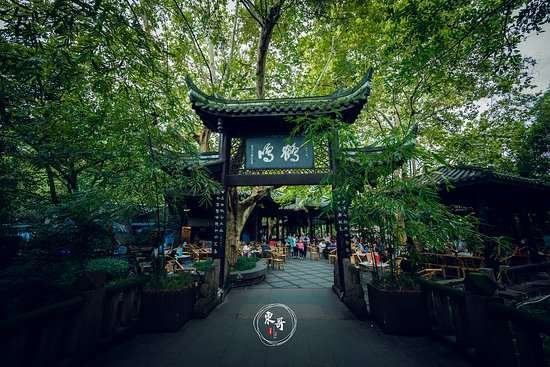
People’s Park & Tea House
🧠 Fact: A local spot to experience Sichuan’s laid-back tea culture.
💡 Tip: Try an ear-cleaning service—it's a local tradition!
Info - People’s Park in central Chengdu offers a vibrant slice of local life. It’s a place where residents come to dance, sing, play mahjong, or simply relax. The real gem is the open-air tea houses nestled within, especially the famous Heming Teahouse. Here, visitors can sip jasmine tea, watch ear-cleaners at work, and soak in Chengdu’s laid-back atmosphere. On weekends, the park’s “marriage market” and tai chi groups add extra charm. People’s Park is perfect for travelers wanting to slow down, observe daily life, and experience the city’s relaxed rhythm alongside friendly locals.
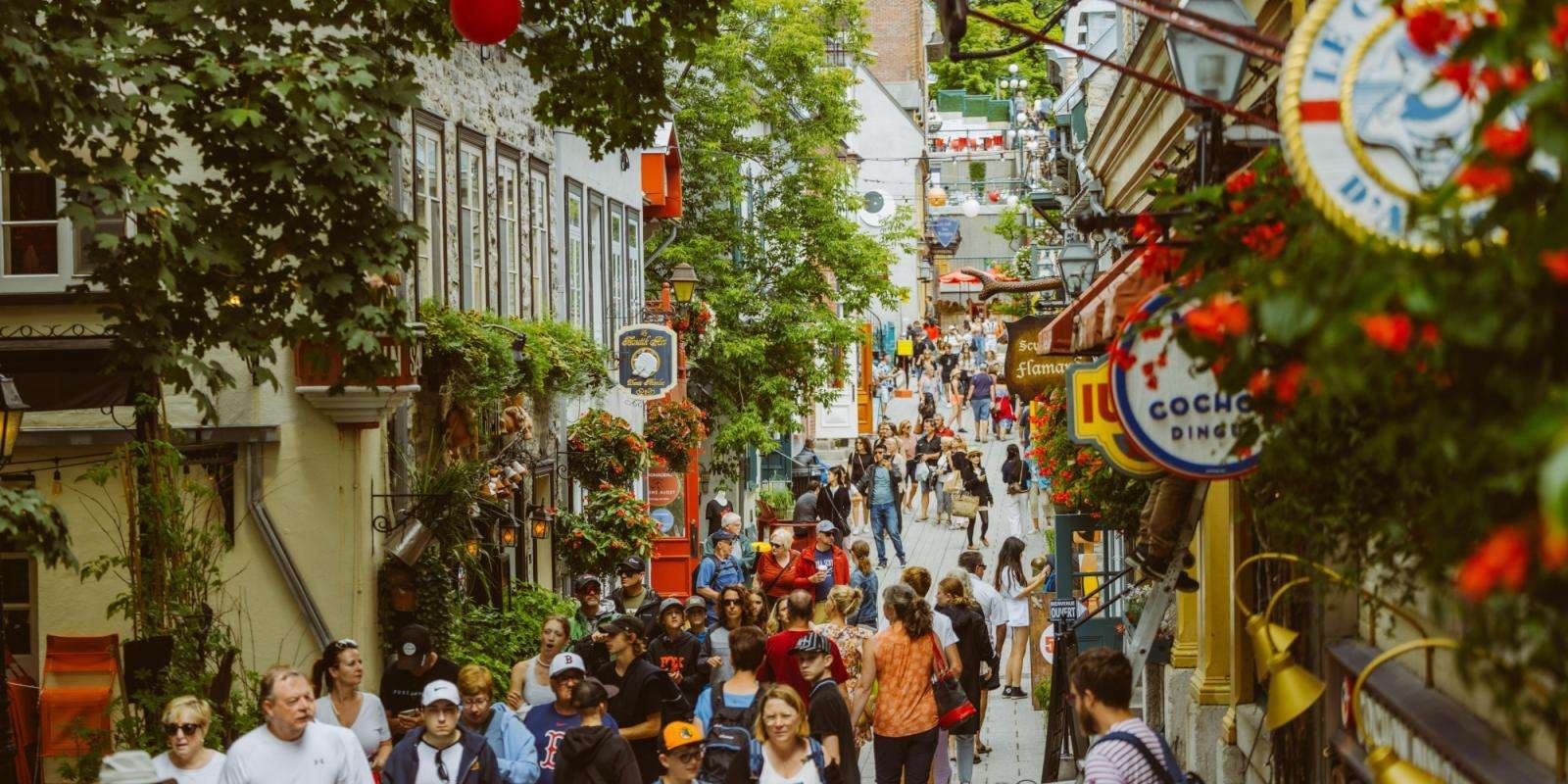
Petit-Champlain District
🧠 Fact: One of North America’s oldest shopping streets
💡 Tip: Visit during Christmas for magical decorations.
Info - The Petit-Champlain District is one of North America’s oldest shopping streets, brimming with charm and history. This cobblestone pedestrian zone is lined with colorful boutiques, art galleries, and cozy bistros housed in restored 17th-century buildings. During winter, it becomes a fairy-tale setting with festive lights and snow-dusted roofs, while summer brings lively street performances. Whether you're shopping for local crafts or enjoying a café au lait, this district perfectly captures the old-world essence of Québec City.
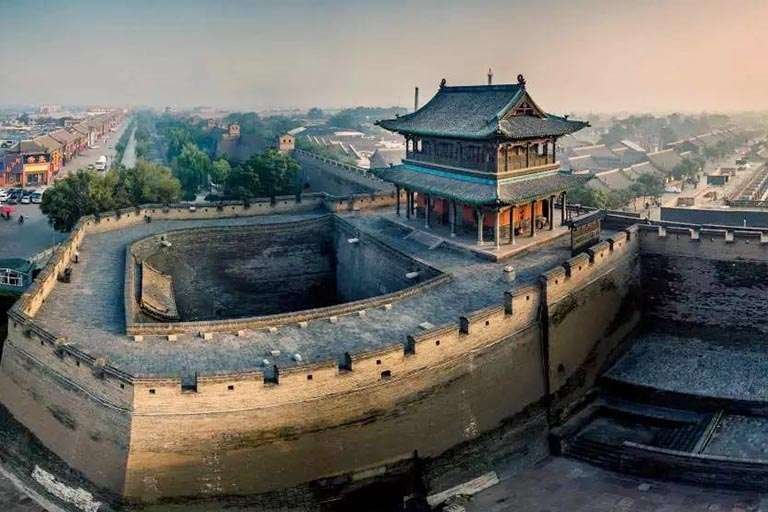
Pingyao Ancient City Wall
🧠 Fact: A well-preserved Ming dynasty city wall enclosing the town.
💡 Tip: Walk or cycle the top for scenic views of tiled rooftops.
Info - The Pingyao Ancient City Wall is one of China’s best-preserved medieval fortifications, encircling the UNESCO-listed old town of Pingyao. Originally built in 1370 during the Ming Dynasty, the wall stretches for over six kilometers, punctuated by six majestic gates and 72 watchtowers. Visitors can walk along its stone ramparts for panoramic views of the tiled rooftops, ancient courtyards, and narrow lanes below. The wall’s defensive design, complete with moats and battlements, tells the story of a prosperous merchant city that was once a vital banking hub in imperial China.
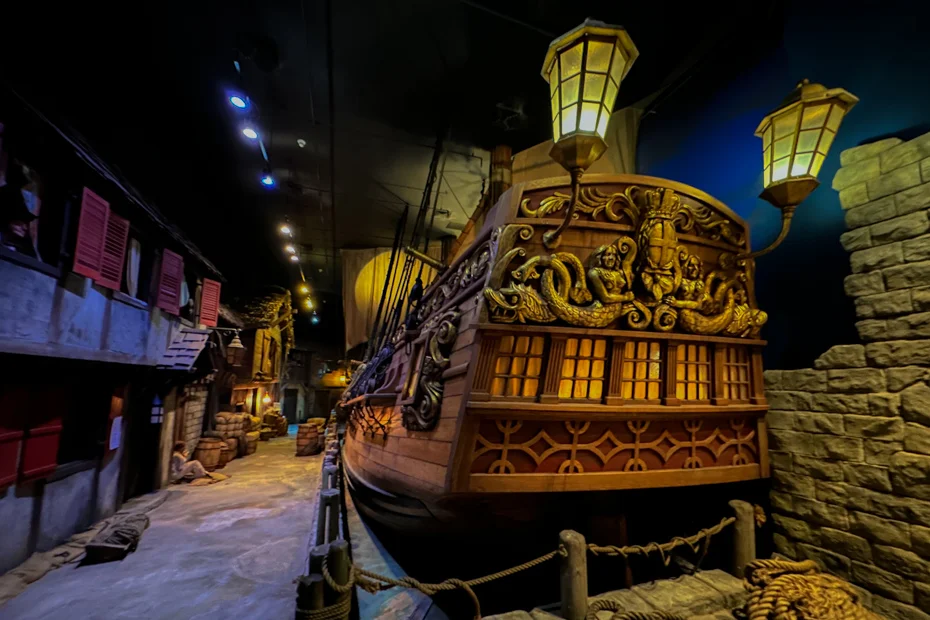
Pirates of Nassau Museum
🧠 Fact: An interactive museum that dives into Nassau’s pirate history during the Golden Age of Piracy.
💡 Tip: Great for families — the pirate ship replica is a must-see for kids.
Info - Dive into the golden age of piracy at the Pirates of Nassau Museum, an interactive attraction in the heart of Nassau. Explore life-sized pirate ships, historic exhibits, and tales of infamous buccaneers like Blackbeard. The museum brings 18th-century Nassau to life, offering fun for all ages with hands-on displays and costumed mannequins. It’s both educational and entertaining, making it a must-see for history buffs and families alike.
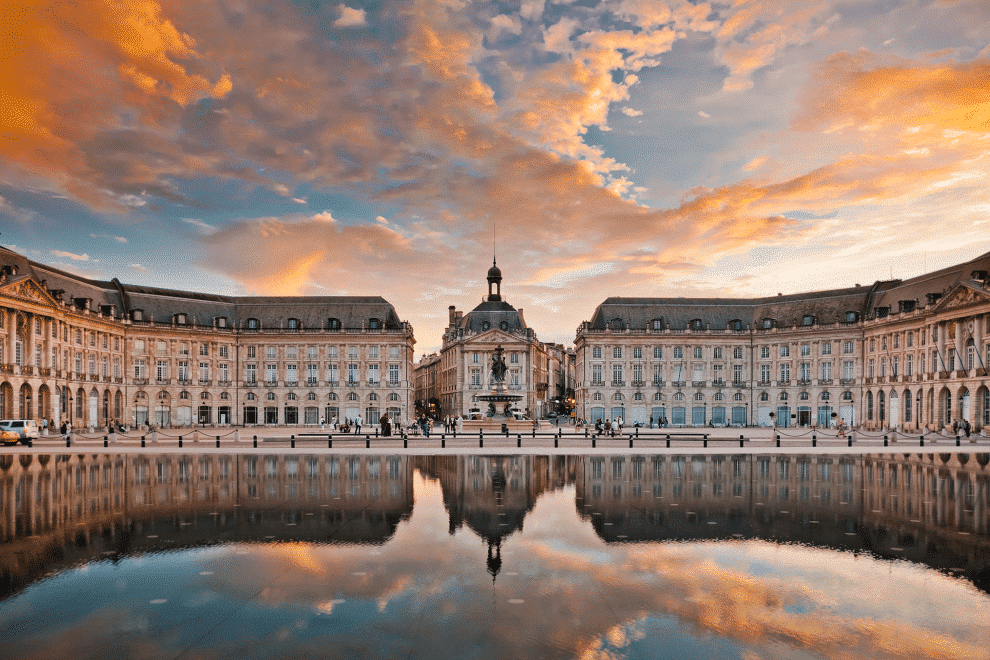
Place de la Bourse & Water Mirror (Miroir d’Eau)
🧠 Fact: Iconic city square reflected in a giant mirror of water.
💡 Tip: Visit at night for magical reflections.
Info - Place de la Bourse is Bordeaux’s most iconic square, a stunning example of 18th-century French classical architecture. Facing the Garonne River, its grand façades are mirrored by the Miroir d’Eau, the world’s largest reflecting pool. This modern installation alternates between a glassy reflection of the square and a playful mist that cools visitors in summer. At sunset, the mirror creates a magical scene as the illuminated buildings shimmer on the water’s surface. It’s one of Bordeaux’s most photographed and beloved public spaces, blending historic elegance with contemporary design.
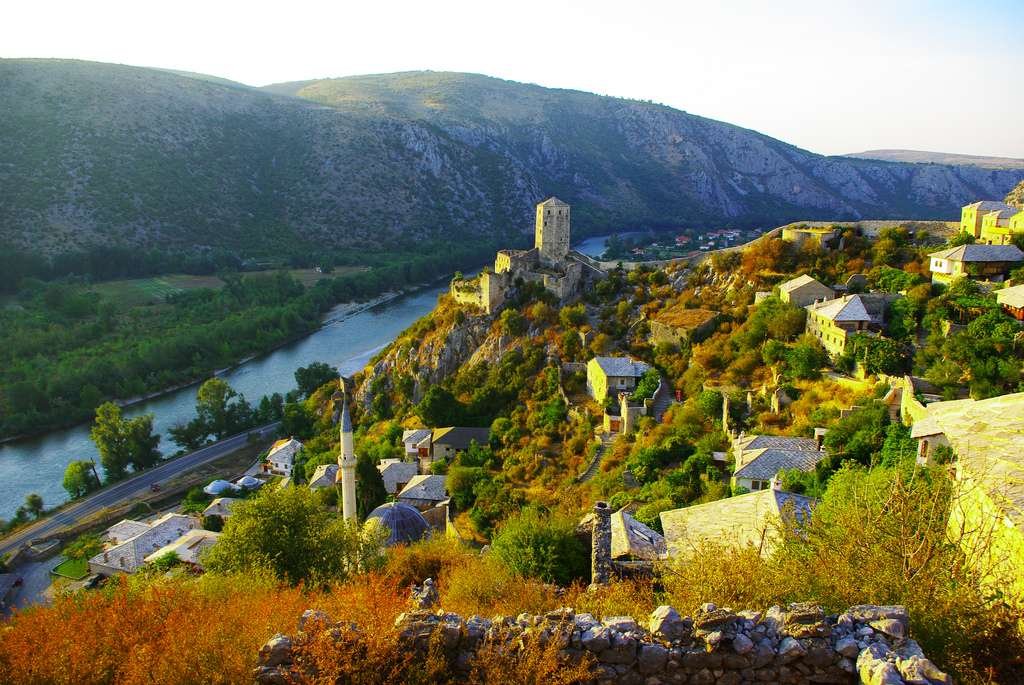
Počitelj
🧠 Fact: : A preserved medieval village with stone houses and a fortress
💡 Tip: Climb to the top of the tower for panoramic views over the Neretva River
Info - Počitelj is a striking medieval village built into a hillside overlooking the Neretva River. Its stone houses, fortress ruins, and narrow cobbled streets reflect its rich Ottoman history. The Hadži-Alija Mosque and Sahat Kula (clock tower) are standout landmarks, while the views from the fortress ruins at the top are worth the climb. Počitelj is also known for its local fruit stands and traditional arts and crafts. It’s an atmospheric stop where history feels alive, perfect for wandering and soaking up views of the surrounding valley.
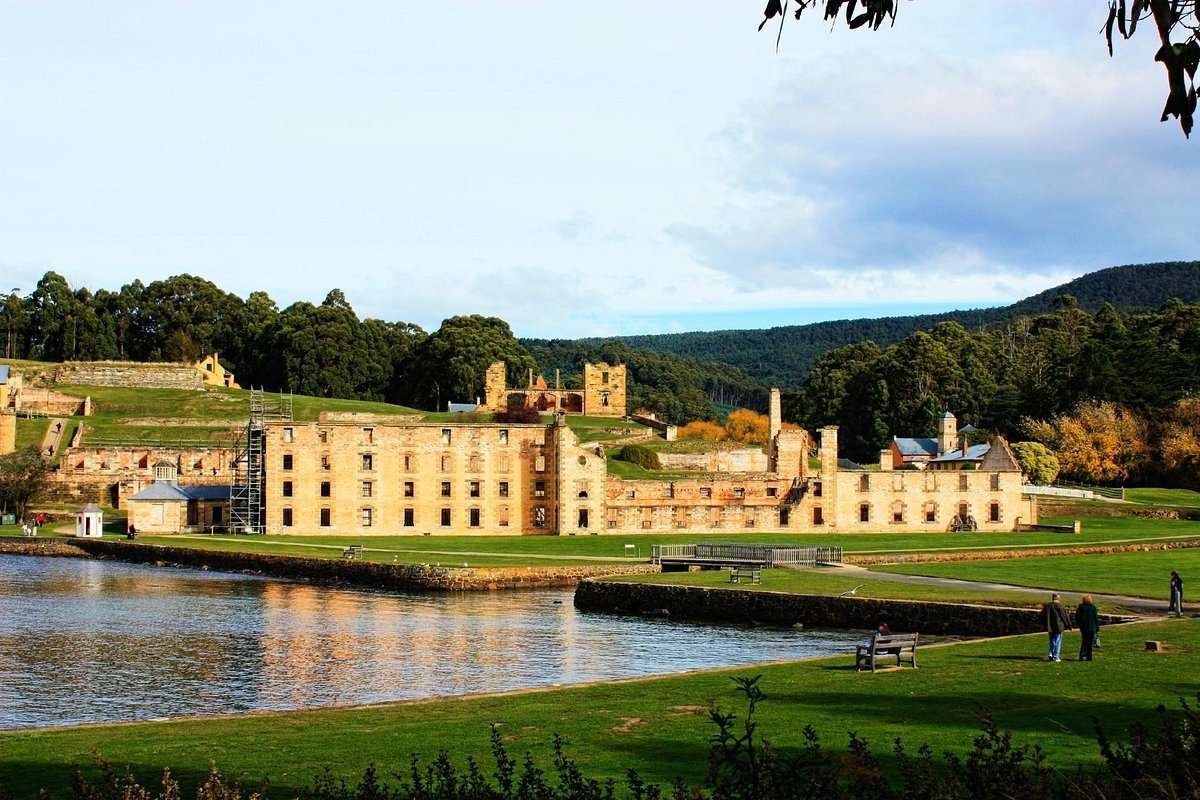
Port Arthur Historic Site
🧠 Fact: One of Australia’s most important and haunting convict-era sites.
💡 Tip: The evening ghost tour adds an unforgettable twist
Info - The Port Arthur Historic Site is one of Australia’s most significant convict-era landmarks. Set on the Tasman Peninsula, this UNESCO World Heritage-listed site preserves the ruins and restored buildings of a 19th-century penal settlement. Visitors can explore the atmospheric remains, join guided tours, and even take a ghost tour at night. Its striking waterside location adds to both the eerie history and photogenic charm.
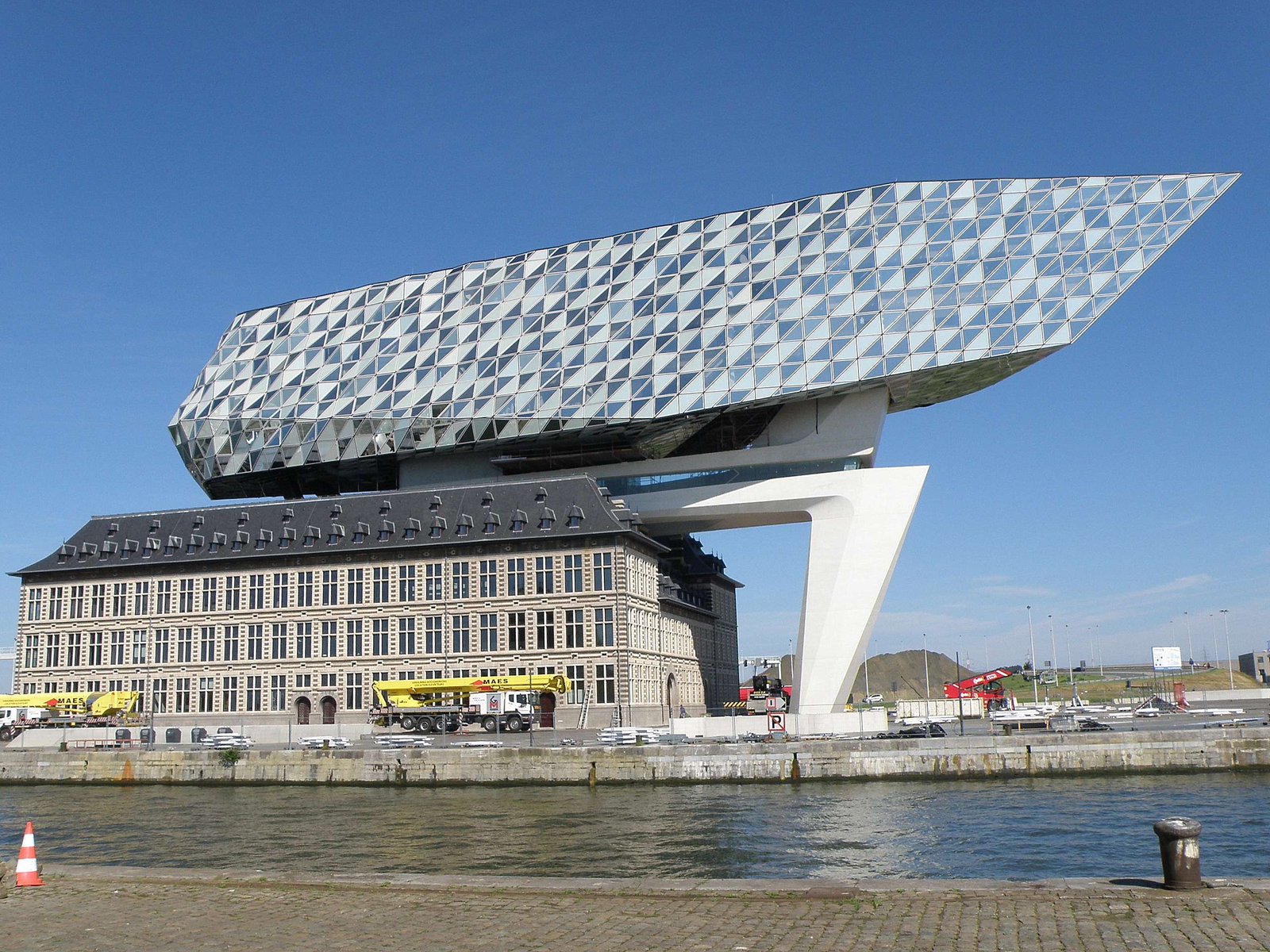
Port House (Havenhuis)
🧠 Fact: Designed by Zaha Hadid, this futuristic building sits atop a former fire station.
💡 Tip: Take a guided tour to explore the interior and learn about the port's history.
Info - A modern architectural icon designed by Zaha Hadid, the Port House fuses a historic fire station with a bold, glass-and-steel structure resembling a ship’s bow. Overlooking Antwerp’s port, it symbolizes the city’s maritime legacy and innovative spirit. While primarily an office building, its futuristic design is a popular stop for architecture enthusiasts.
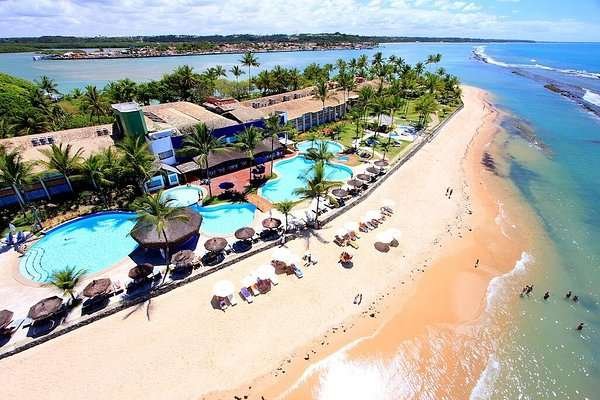
Porto Seguro
🧠 Fact: Porto Seguro is where Portuguese explorers first landed in Brazil in 1500.
💡 Tip: : Don’t miss a visit to the colorful Historic Center for lively vibes and amazing views.
Info - Porto Seguro, a vibrant coastal city in Bahia, is where Portuguese explorers first landed in Brazil in 1500. Today, it’s known for its lively beach culture, colorful nightlife, and preserved historic quarter. Travelers can explore colonial buildings, visit the Discovery Landmark, and stroll cobbled streets illuminated by old lanterns. The city’s beaches, like Taperapuã, are lined with beach clubs and offer water sports and sunset views. Porto Seguro also serves as a base for day trips to nearby Arraial d’Ajuda and Trancoso, making it a great mix of history, nature, and party vibes on Brazil’s sun-drenched coast.
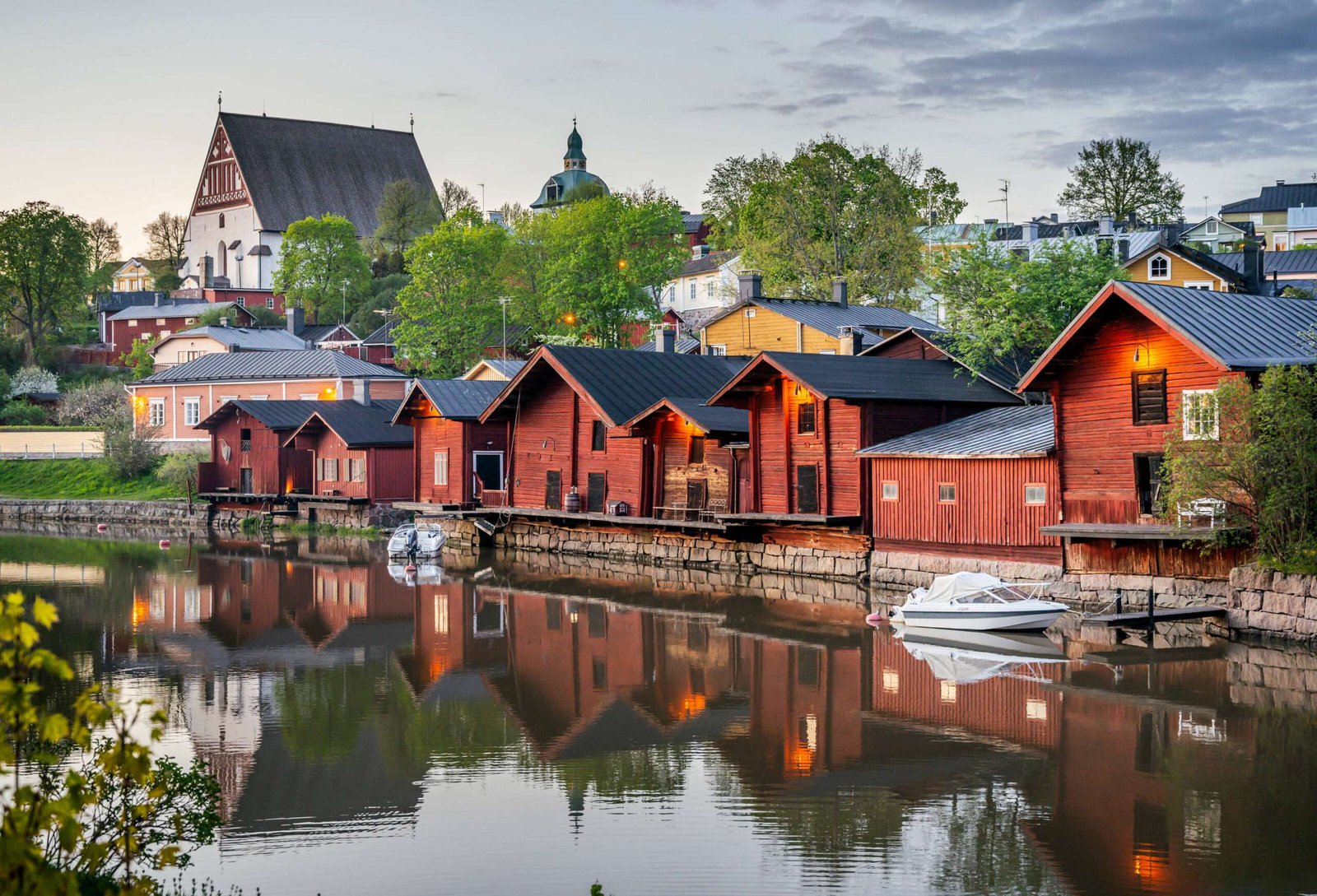
Porvoo
🧠 Fact: : Porvoo is the second-oldest town in Finland, known for its well-preserved medieval Old Town.
💡 Tip: : Wander through cobblestone streets, visit local artisan shops, and try chocolates from the renowned Brunberg factory.
Info - Porvoo is one of Finland’s oldest towns, celebrated for its medieval charm, colorful riverside houses, and scenic landscapes. Just 50 kilometers from Helsinki, it’s a favorite destination for day trips and weekend getaways. Highlights include the atmospheric Old Town, the historic Porvoo Cathedral, and lovely cafés and boutiques tucked into centuries-old wooden buildings. Nature lovers can explore surrounding forests, riverbanks, and coastal archipelago islands like Klovharun. Blending rich history, artistic tradition, and serene natural beauty, Porvoo offers visitors a peaceful, picture-perfect slice of Finnish heritage.
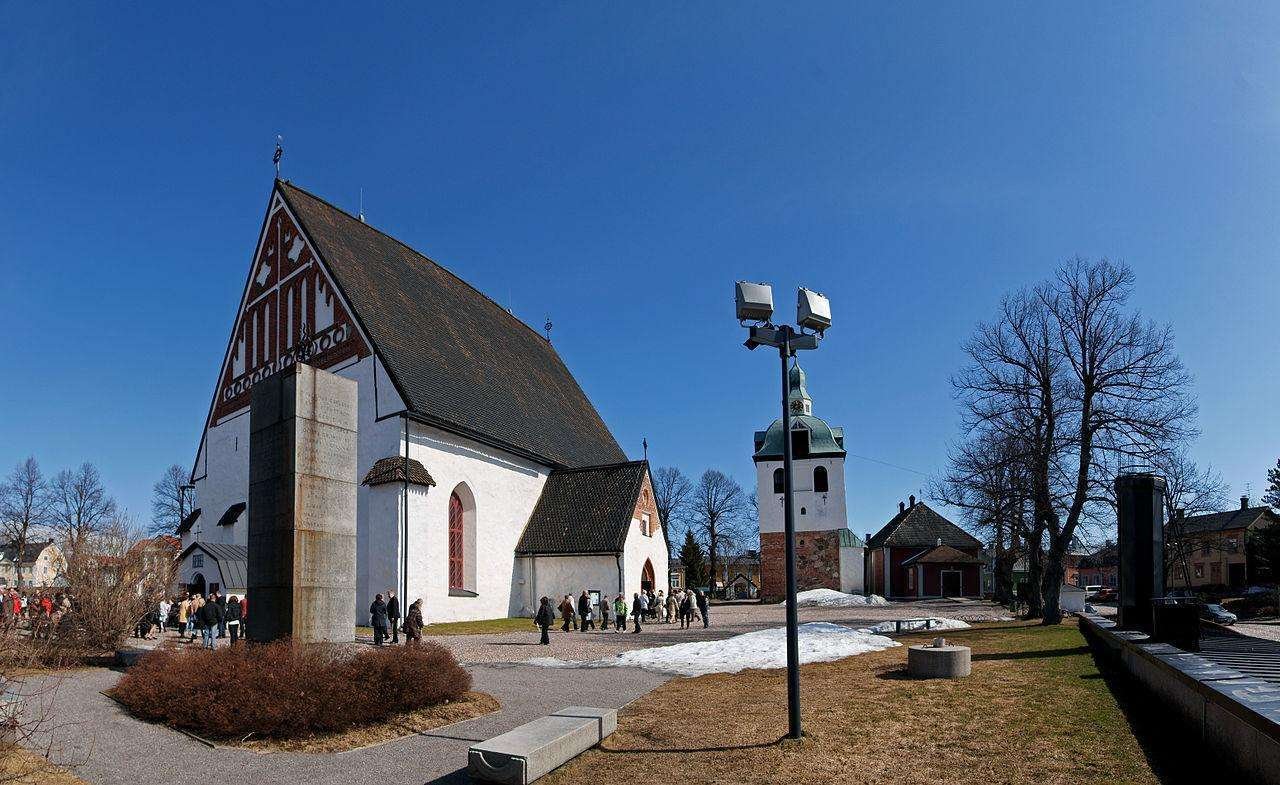
Porvoo Cathedral
🧠 Fact: Originally built in the 15th century, it has been rebuilt multiple times after fires
💡 Tip: Check for classical concerts often held inside.
Info - Porvoo Cathedral stands as a proud symbol of the town’s rich history and spiritual heritage. Originally built in the 15th century, the cathedral has endured fires and restorations over the centuries. Its Gothic architecture, whitewashed stone walls, and serene interior make it a peaceful place for reflection. The cathedral famously hosted the first Diet of Finland in 1809, when Finland came under Russian rule. Nestled in the heart of Old Town Porvoo, it remains a beloved landmark and an essential stop for visitors exploring the region.

Potočari (Srebrenica Memorial)
🧠 Fact: A memorial site honoring victims of the 1995 genocide.
💡 Tip: Join a guided tour to understand the full historical context and impact.
Info - The Potočari Memorial Center, near Srebrenica, stands as a somber tribute to the victims of the 1995 genocide. The memorial and cemetery honor over 8,000 Bosniak men and boys who lost their lives during one of Europe’s darkest post-WWII moments. The site includes a former UN base turned museum, with poignant exhibitions and personal testimonies. Visiting Potočari offers a reflective experience, providing insight into recent history and a message of remembrance and peace. It’s a profoundly moving place for those wishing to understand Bosnia’s modern past.
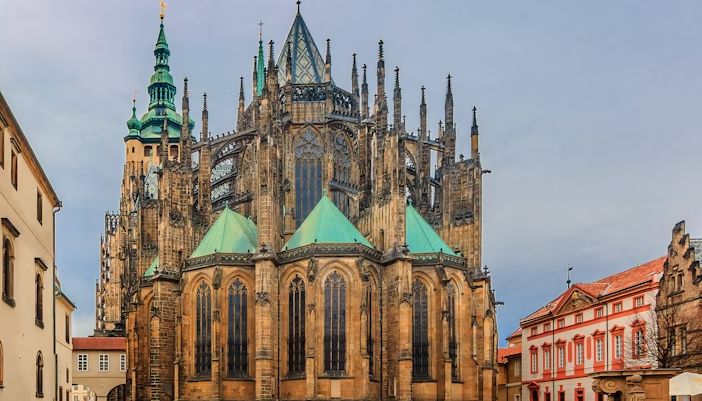
Prague Castle
🧠 Fact: The largest ancient castle complex in the world and a UNESCO World Heritage site.
💡 Tip: Visit during the changing of the guard ceremony.
Info - Prague Castle is the city’s crown jewel, a sprawling complex overlooking the Vltava River. Dating back to the 9th century, it’s the largest ancient castle in the world, home to Gothic spires, royal palaces, courtyards, and the stunning St. Vitus Cathedral. Visitors can stroll Golden Lane, explore medieval halls, and admire panoramic views of Prague’s rooftops. The castle has housed kings, emperors, and presidents, making it a living symbol of Czech history. Don’t miss the ceremonial Changing of the Guard and evening illuminations, which turn the fortress into a fairytale silhouette against the night sky.
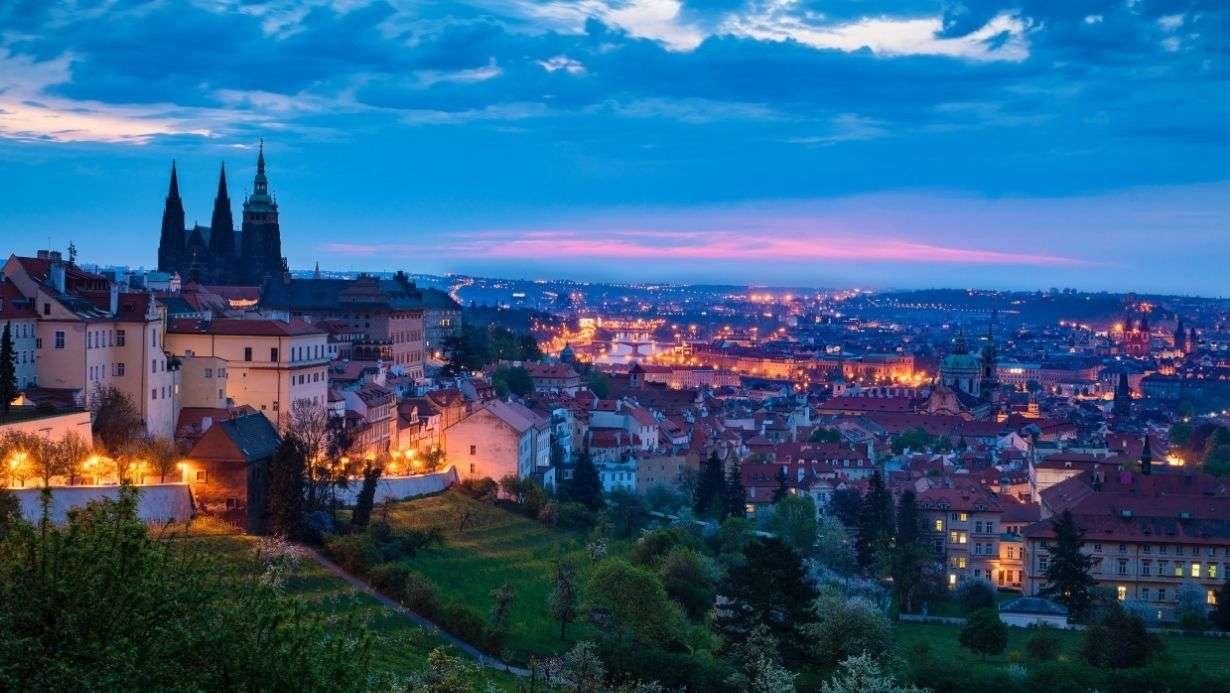
Prague Itself
🧠 Fact: A fairytale city filled with gothic architecture, lively squares, and iconic history.
💡 Tip: Spend at least 3 days to experience its main highlights without rushing.
Info - Prague is a timeless city where Gothic spires, medieval lanes, and baroque squares meet lively cafés, beer gardens, and street musicians. Nicknamed “the City of a Hundred Spires,” it’s rich with history, from its royal castle and Charles Bridge to the Astronomical Clock and Wenceslas Square. The city hums with culture, hosting classical concerts, jazz clubs, and avant-garde art spaces. Its riverside promenades and cobbled alleys invite endless wandering. Whether sipping pilsner in a centuries-old pub or admiring sunset views from Letná Park, Prague effortlessly blends old-world charm with modern vibrancy
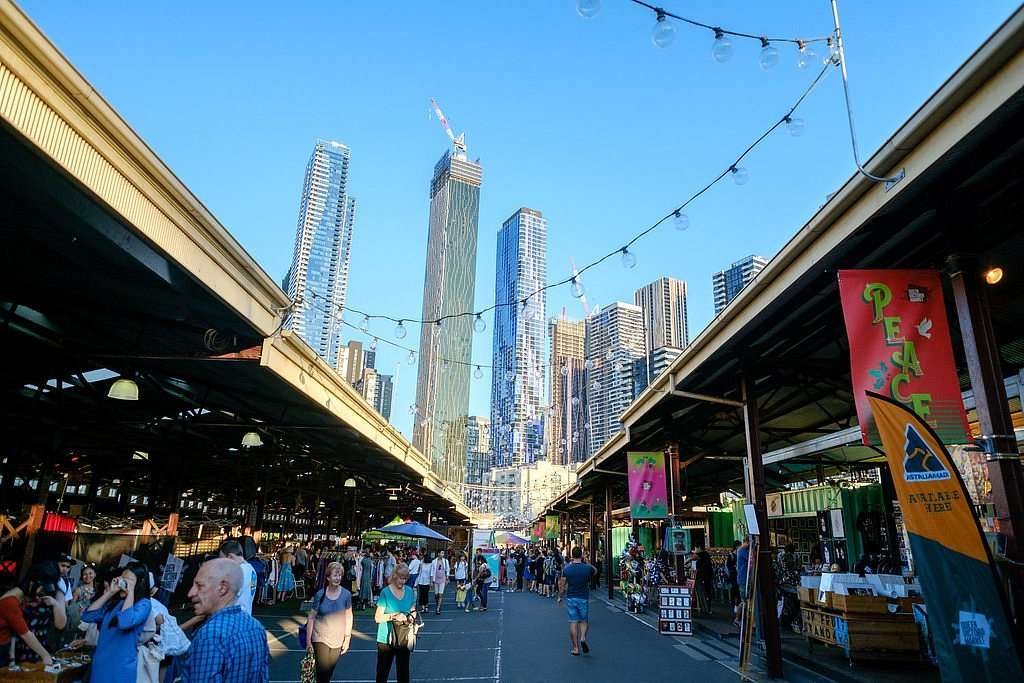
Queen Victoria Market
🧠. Fact : Operating since 1878 — it's the largest open-air market in the Southern Hemisphere.
💡 Tip: : Go early for fresh produce or catch the seasonal Night Market
Info - A short stroll away, the Queen Victoria Market is a Melbourne institution. Open since 1878, this sprawling market is packed with fresh produce, gourmet foods, clothing, and handmade crafts. The market’s lively atmosphere, street food stalls, and special night markets make it a must-visit for foodies and bargain hunters alike.
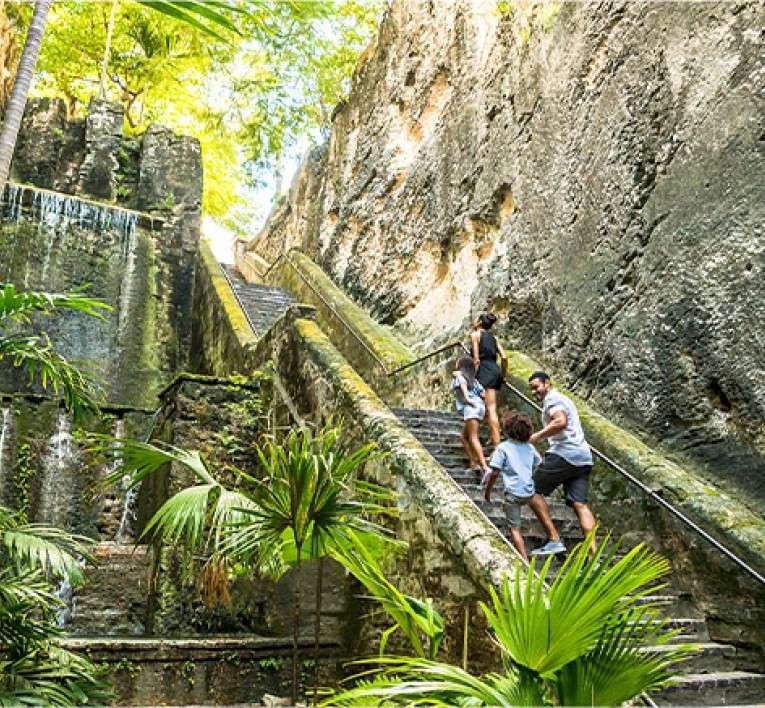
Queen’s Staircase
🧠 Fact: A 66-step limestone staircase carved by slaves in the 1700s, honouring Queen Victoria
💡 Tip: Go early in the morning to enjoy the cool shade and quiet atmosphere
Info - One of Nassau’s most iconic landmarks, the Queen’s Staircase is a historic limestone staircase carved by enslaved people in the late 18th century. Comprising 66 steps (though now 65 due to road adjustments), it was named in honor of Queen Victoria for her role in abolishing slavery in the British Empire. Surrounded by lush greenery and towering stone walls, it offers a peaceful, shaded walk and a glimpse into Bahamian history. The staircase leads to Fort Fincastle, making it a popular cultural stop.
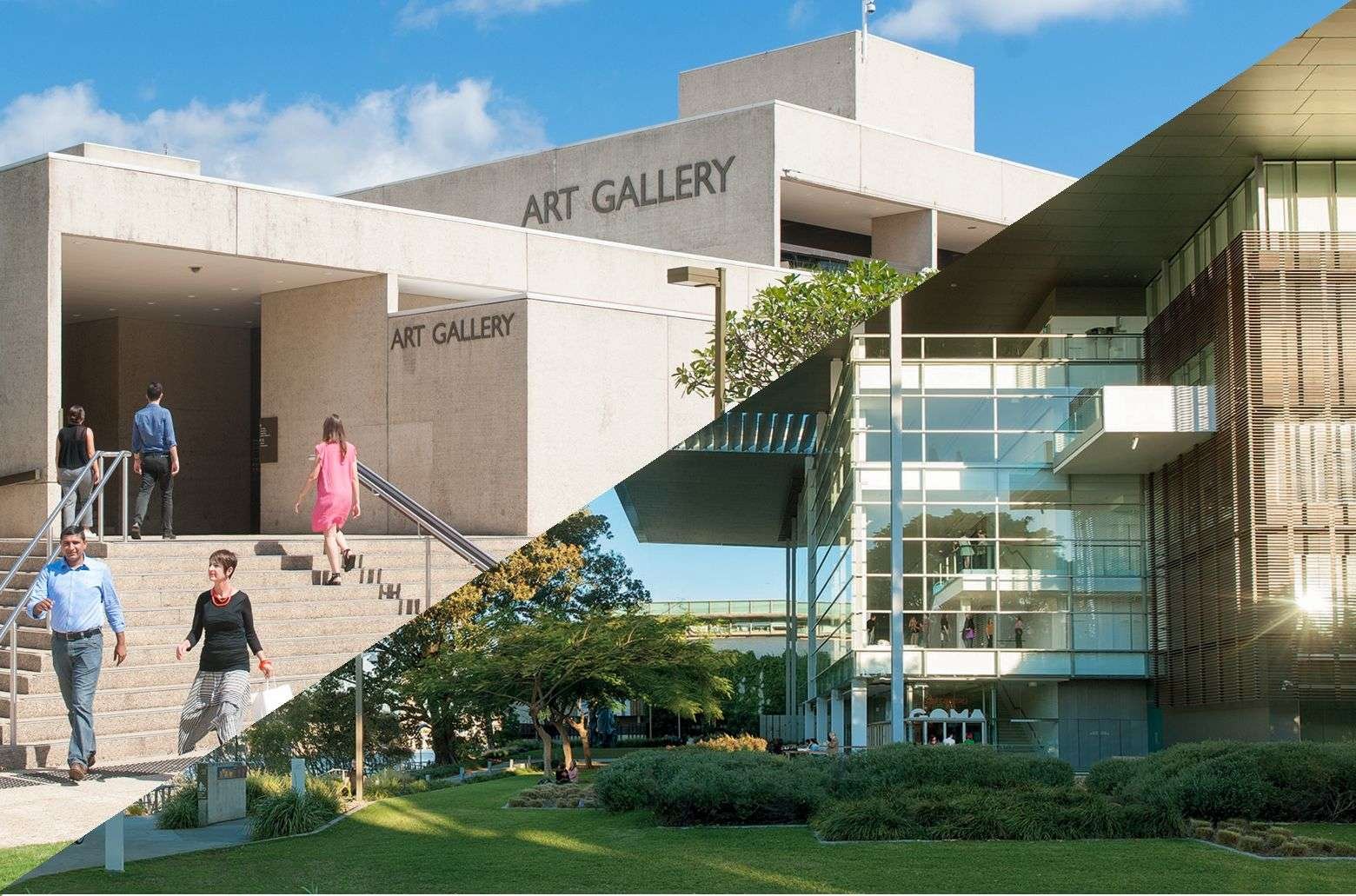
Queensland Art Gallery & Gallery of Modern Art (QAGOMA)
🧠Fact: One of Australia's premier visual arts institutions.
💡Tip: Entry to the main exhibitions is free — ideal for culture lovers
Info - Art enthusiasts should head to the Queensland Art Gallery & Gallery of Modern Art (QAGOMA), one of Australia’s top cultural destinations. Set along the Brisbane River at South Bank, these twin galleries feature a dynamic collection of Australian, Indigenous, and international works. QAG showcases classic and contemporary art, while GOMA focuses on bold, thought-provoking modern exhibitions and immersive installations, often with free entry.
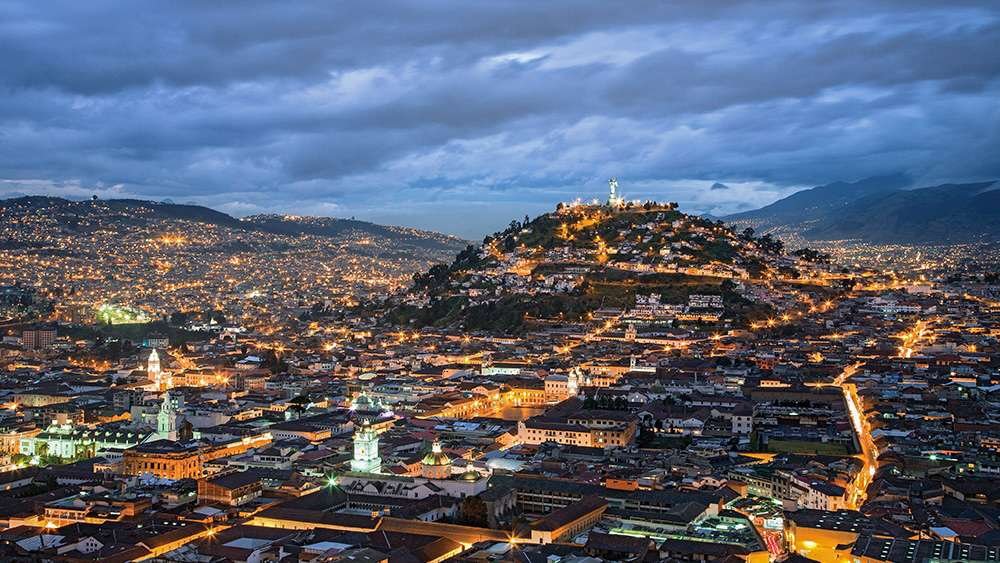
Quito
🧠 Fact: Quito is the second-highest capital city in the world, situated at 2,850 meters above sea level.
💡 Tip: Explore the historic center, a UNESCO World Heritage site, featuring colonial architecture and vibrant plazas
Info - Ecuador’s capital, Quito, is a city of remarkable beauty and cultural depth, nestled high in the Andes at 2,850 meters. It’s famed for its well-preserved colonial architecture, lively plazas, and dramatic mountain backdrop. Quito offers a vibrant mix of old and new — from ancient churches and museums to bustling markets and hip cafés. The city serves as a perfect base for exploring surrounding volcanoes, indigenous villages, and cloud forests. Recognized as a UNESCO World Heritage Site, Quito combines history, Andean tradition, and modern urban life, making it one of South America’s most captivating cities.
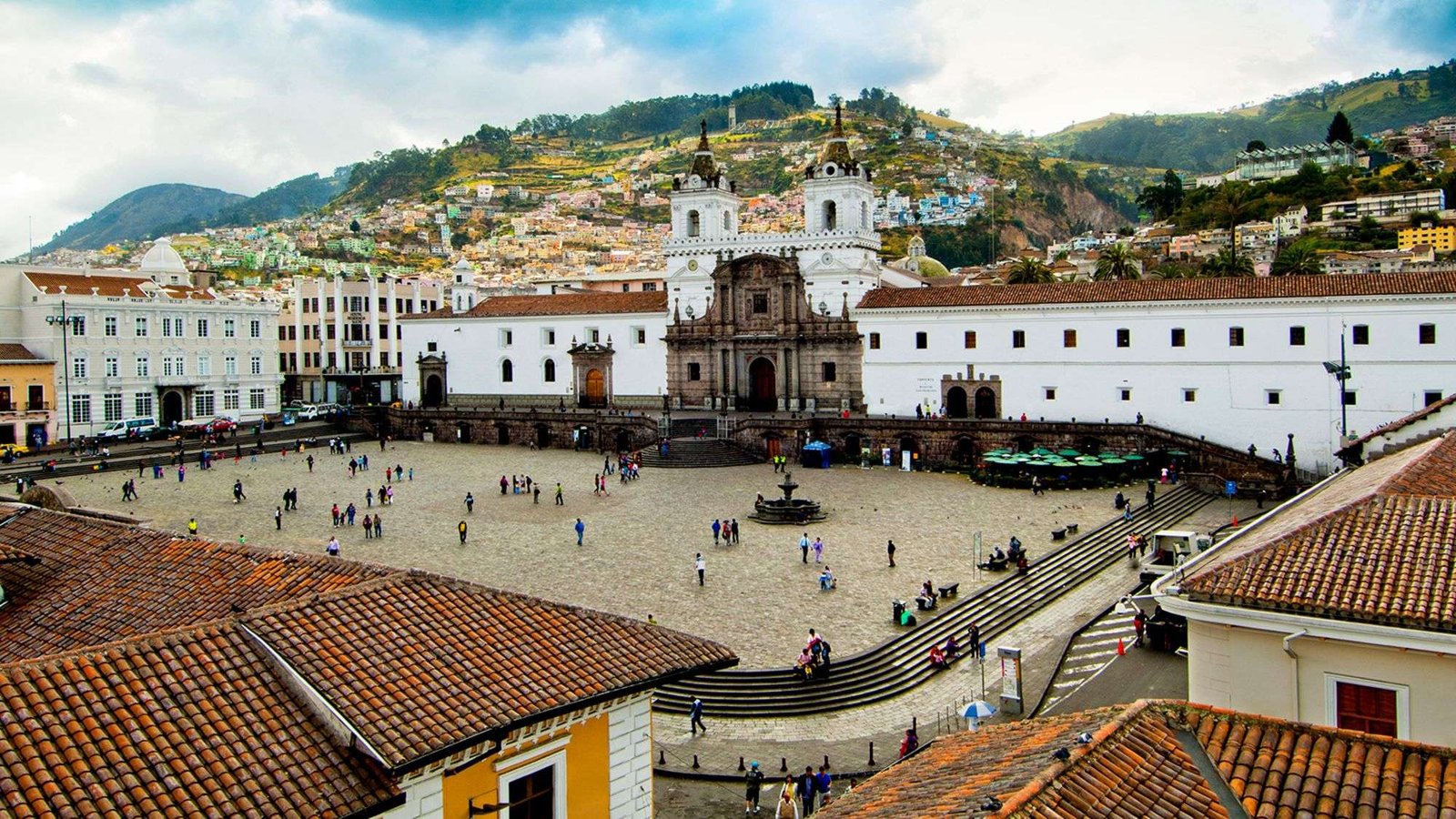
Quito Historic Center
🧠 Fact: Quito's historic center is one of the largest and best-preserved in the Americas.
💡 Tip: Join a guided walking tour to fully appreciate the colonial architecture and history
Info - The Quito Historic Center is one of the best-preserved colonial quarters in Latin America and a UNESCO World Heritage Site. Its cobbled streets are lined with 16th and 17th-century churches, convents, and mansions. Highlights include La Compañía de Jesús, famous for its lavish gold-leaf interior, and the grand Plaza Grande, bordered by the Presidential Palace. The San Francisco Monastery and Basilica del Voto Nacional are other must-sees. Bustling markets and street performers animate the area, while rooftop cafés offer sweeping city views. This atmospheric district feels like a living museum of Ecuador’s colonial past.
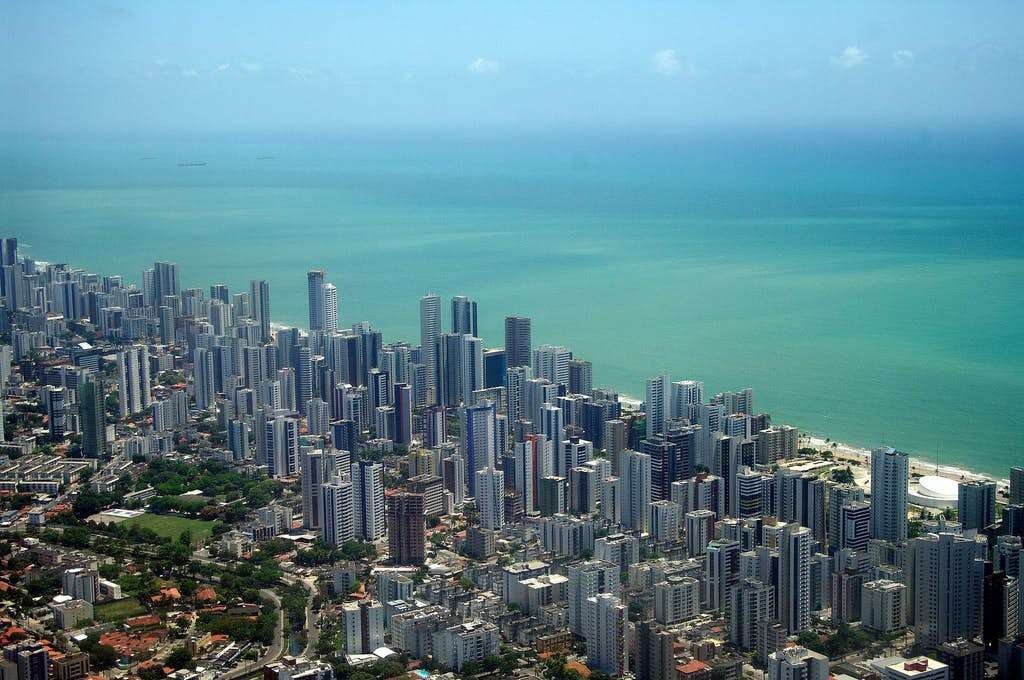
Recife
🧠 Fact: Known for its historic architecture, beautiful beaches, and vibrant cultural scene
💡 Tip: Explore the Recife Antigo district for colonial-era architecture and lively nightlife
Info - Recife, often called the “Venice of Brazil,” is a lively coastal city known for its canals, historic old town, and vibrant cultural scene. Its charming colonial architecture stands alongside skyscrapers and sunny beaches like Boa Viagem. Recife is famous for hosting one of Brazil’s most colorful Carnival celebrations, with traditional frevo music and street parades. History buffs can explore the 17th-century fortresses and churches of Recife Antigo, while foodies indulge in seafood and regional dishes. The city’s proximity to the picturesque town of Olinda adds extra allure for those craving art, history, and sun-soaked adventure.
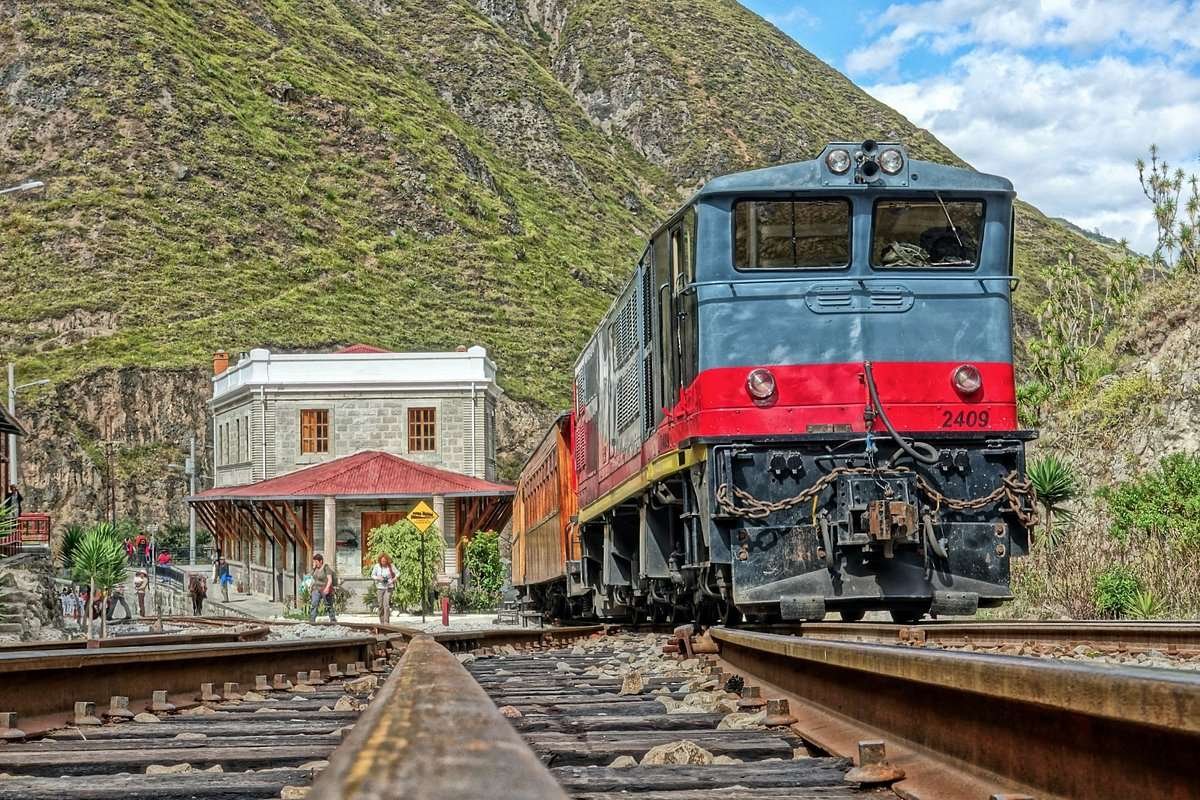
Ride the Devil’s Nose Train
🧠 Fact: An engineering marvel with a zigzag track descending steep slopes.
💡 Tip: Book tickets in advance, as this popular attraction can sell out.
Info - The Devil’s Nose Train, or Nariz del Diablo, is one of Ecuador’s most iconic railway experiences, known for its dramatic switchbacks along a sheer cliff face. Starting from Alausí near Riobamba, the route descends through tight mountain gorges and zigzags down steep slopes. The engineering marvel was designed to conquer the Andes’ most challenging terrain. Today, it’s a heritage tourist ride offering panoramic views of river valleys, rugged canyons, and Andean villages. The journey includes cultural performances and stops at local markets, making it a thrilling mix of history, scenery, and tradition.
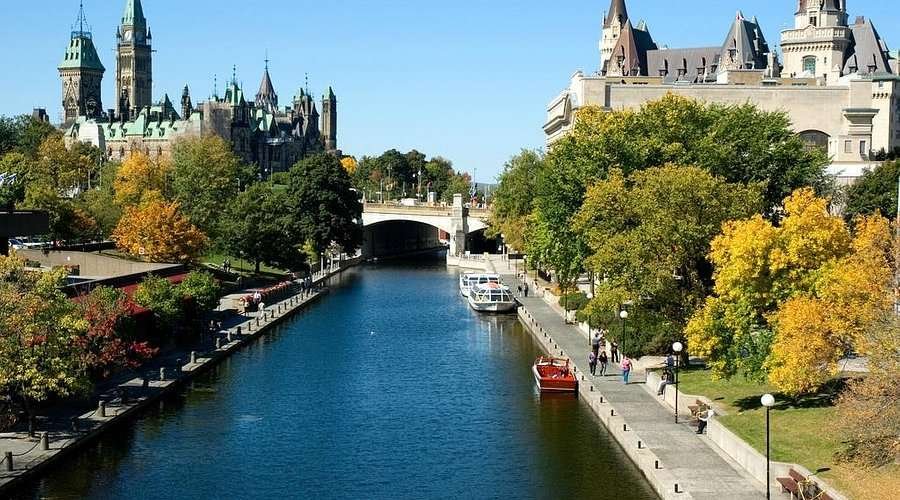
Rideau Canal
🧠 Fact: A UNESCO World Heritage site and the world's longest skating rink in winter.
💡 Tip: Rent a boat or kayak in summer to cruise along the canal
Info -The Rideau Canal is one of Ottawa’s most iconic landmarks and a UNESCO World Heritage Site. Stretching 202 kilometers from Ottawa to Kingston, it’s famous for transforming into the world’s largest natural skating rink in winter, attracting thousands of skaters. In warmer months, the canal’s tranquil waters welcome kayakers, boaters, and cyclists along its scenic pathways. Historic stone buildings, parks, and Parliament Hill line its banks, offering picture-perfect views year-round. Whether gliding across its frozen surface in winter or strolling alongside its charming waterfront in summer, the Rideau Canal is a quintessential Canadian experience in the nation’s capital.
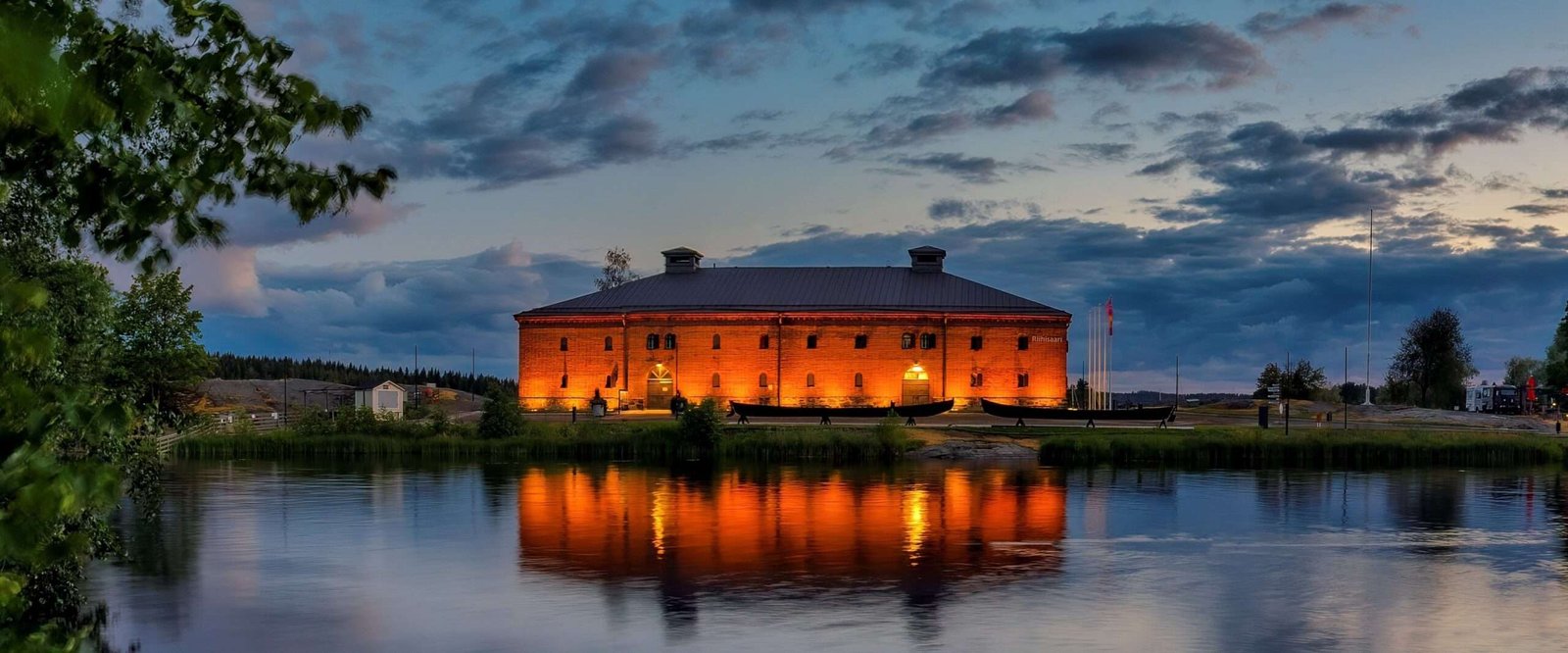
Riihisaari – Savonlinna Museum
🧠 Fact: Explore exhibitions on Saimaa’s lake culture and history.
💡 Tip: Rent a canoe or kayak nearby to explore the area yourself
Info - Riihisaari – Savonlinna Museum
Riihisaari – Savonlinna Museum is a cultural and historical center located by Savonlinna’s harbor, next to Olavinlinna Castle. The museum highlights the region’s fascinating history, from medieval times to the present, with exhibitions on local life, Lake Saimaa’s unique nature, and the area’s famous steamships. Seasonal displays and changing exhibitions keep the museum lively and relevant. It also serves as a visitor information hub and starting point for lake cruises. Riihisaari offers a meaningful and educational look into the rich cultural tapestry of the Savonlinna region.
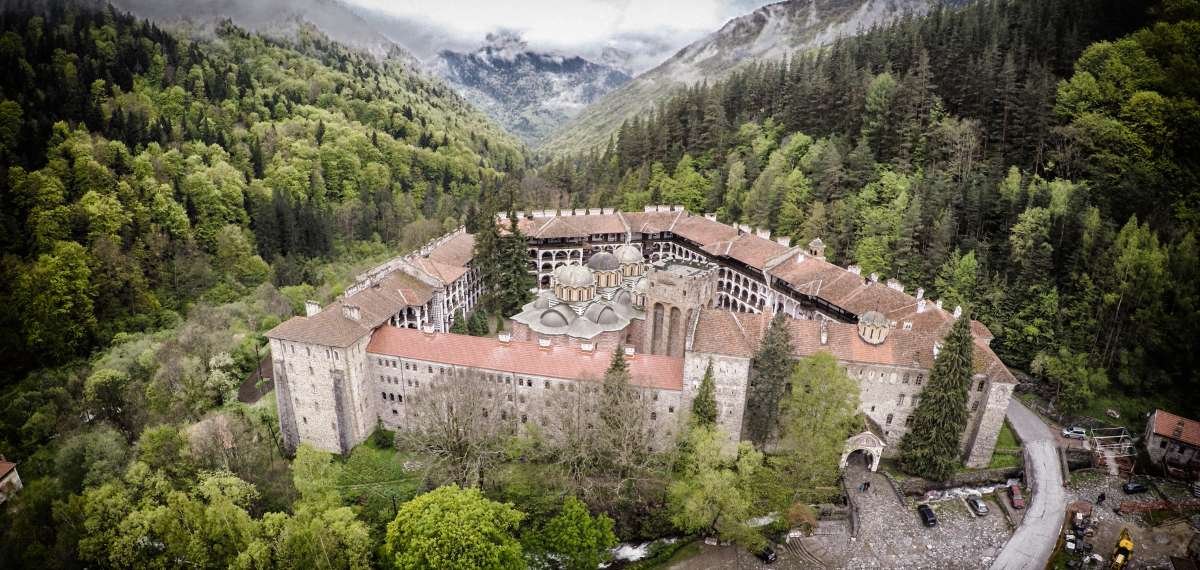
Rila Monastery
🧠 Fact: Founded in the 10th century, it's the largest and most famous Eastern Orthodox monastery in Bulgaria.
💡 Tip: Dress modestly and visit early to enjoy the peaceful atmosphere.
Info - High in Bulgaria’s Rila Mountains, the Rila Monastery is a UNESCO World Heritage Site and a symbol of Bulgarian cultural identity. Founded in the 10th century by the hermit Saint Ivan of Rila, the monastery is famed for its striking striped arches, ornate frescoes, and richly decorated wooden interiors. The courtyard’s arcaded galleries and the five-domed main church create an awe-inspiring scene against a backdrop of forested peaks. Its museum holds medieval manuscripts, icons, and precious relics. Still an active monastic community, the monastery is both a spiritual retreat and a masterpiece of Bulgarian Revival architecture, drawing pilgrims and travelers year-round.
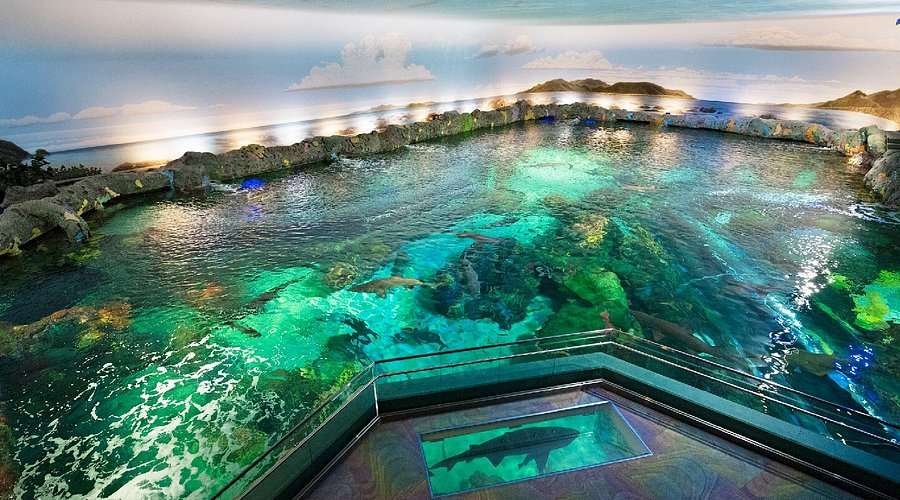
Ripley’s Aquarium
🧠 Fact: Home to over 20,000 marine animals.
💡 Tip: Visit after 5 PM for fewer crowds.
Info - Located at the base of the CN Tower, Ripley’s Aquarium of Canada is a family favorite, home to over 20,000 marine creatures. Its standout feature, the Dangerous Lagoon, lets visitors glide through a glass tunnel surrounded by sharks, rays, and sea turtles. Interactive touch tanks and daily dive shows enhance the experience. Exhibits range from Canadian waters to tropical reefs, offering close encounters with jellyfish, stingrays, and exotic fish. It’s an entertaining, educational stop perfect for all ages, rain or shine.
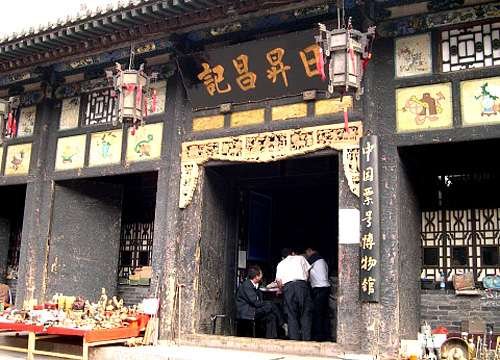
Rishengchang Draft Bank
🧠 Fact: China's first bank, dating back to the Qing dynasty.
💡 Tip: A must for history buffs and finance fans.
Info - Considered the birthplace of China’s modern banking system, Rishengchang Exchange Shop is the country’s first draft bank, established in 1823 during the Qing Dynasty. Located in Pingyao’s historic district, this well-preserved building complex offers an intriguing look at ancient financial practices. Inside, visitors can explore traditional offices, vaults, courtyards, and meeting halls where merchant families once handled national silver drafts and money transfers. The site’s museum displays old abacuses, business ledgers, and antique currency, offering a fascinating glimpse into China’s commercial history and Pingyao’s role as a financial powerhouse.
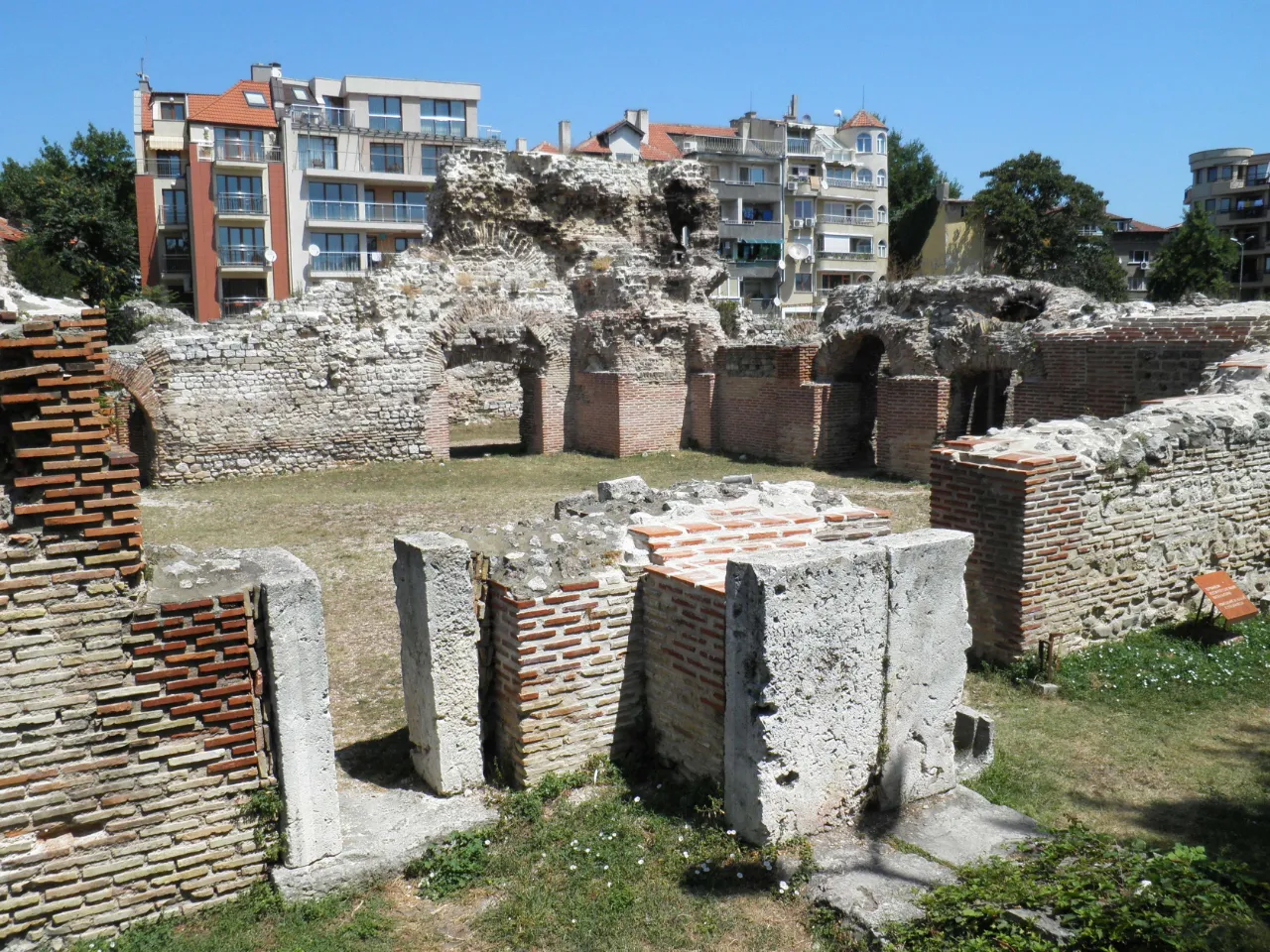
Roman Baths of Odessos
🧠 Fact: Among the largest preserved Roman bath ruins in Europe.
💡 Tip: Go with a guide for cool Roman-era insights.
Info - The Roman Baths of Odessos in Varna are the largest ancient baths in Bulgaria and among the largest in Europe. Built in the late 2nd century AD, these impressive ruins once formed the heart of social life in the ancient Roman city of Odessos. Visitors can wander among towering walls, arched chambers, and marble remnants, imagining the bustling gatherings of citizens enjoying steam rooms, pools, and relaxation spaces. Informative plaques throughout help explain the bathhouse’s sophisticated heating systems and layout. Set in the city center, it’s an atmospheric historical landmark that offers a glimpse into Varna’s ancient Roman past.
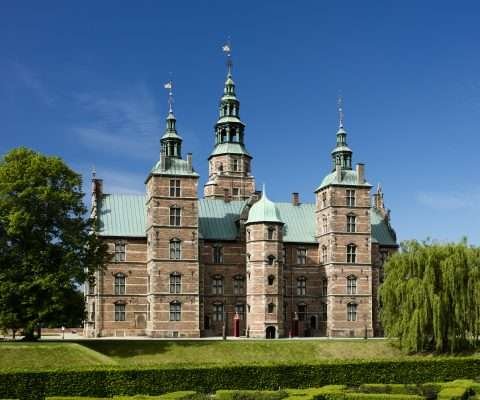
Rosenborg Castle
🧠 Fact: The castle houses the Danish crown jewels and royal regalia.
💡 Tip: Arrive early to avoid crowds, especially in the summer.
Info - Rosenborg Castle, a Dutch Renaissance masterpiece, was built by King Christian IV in the early 17th century as a royal pleasure palace. Set in Copenhagen’s lush King’s Garden, the castle houses Denmark’s royal regalia and crown jewels. Visitors can tour opulent rooms filled with baroque art, period furniture, and personal artifacts of Danish monarchs. Highlights include the Knights’ Hall, famous for its coronation thrones guarded by silver lions. The surrounding gardens are popular for picnics and strolls. Rosenborg’s fairy-tale turrets and rich royal history make it one of Copenhagen’s most atmospheric landmarks.
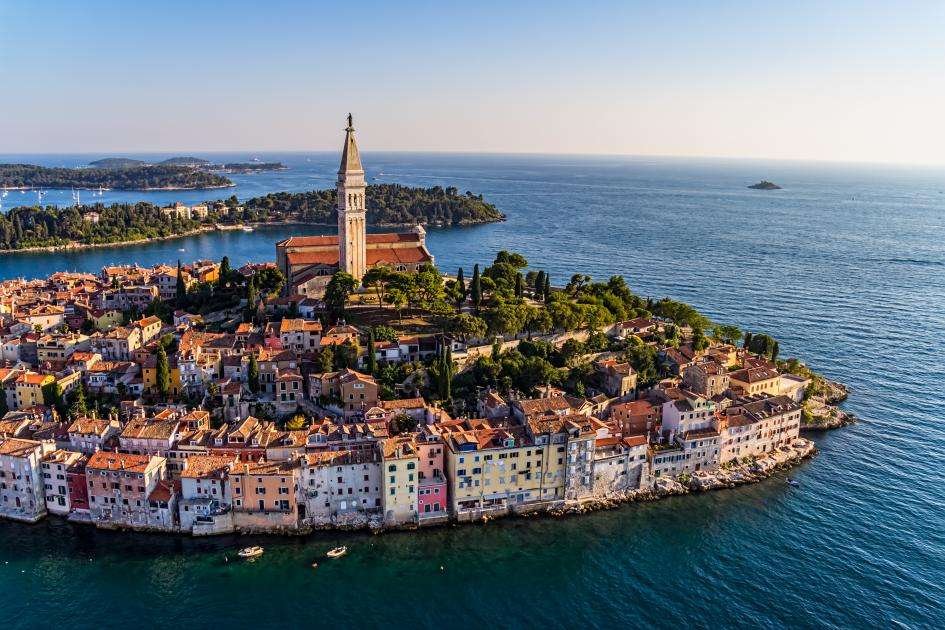
Rovinj
🧠 Fact: Often called the most romantic town in Croatia.
💡 Tip: Climb the bell tower of St. Euphemia Church for panoramic views.
Info -Rovinj is one of Croatia’s most romantic coastal towns, perched on the western coast of the Istrian Peninsula. Its Old Town is a labyrinth of cobbled streets, pastel-colored houses, and hidden piazzas that tumble down to a lively waterfront lined with cafés and fishing boats. The baroque Church of St. Euphemia dominates the skyline, offering panoramic views from its bell tower. Rovinj blends Mediterranean charm with Venetian history, showcased in its architecture and seafood cuisine. Surrounded by pine forests, pebble beaches, and offshore islets, Rovinj is an idyllic base for exploring Istria’s vineyards, hilltop villages, and coastal beauty.
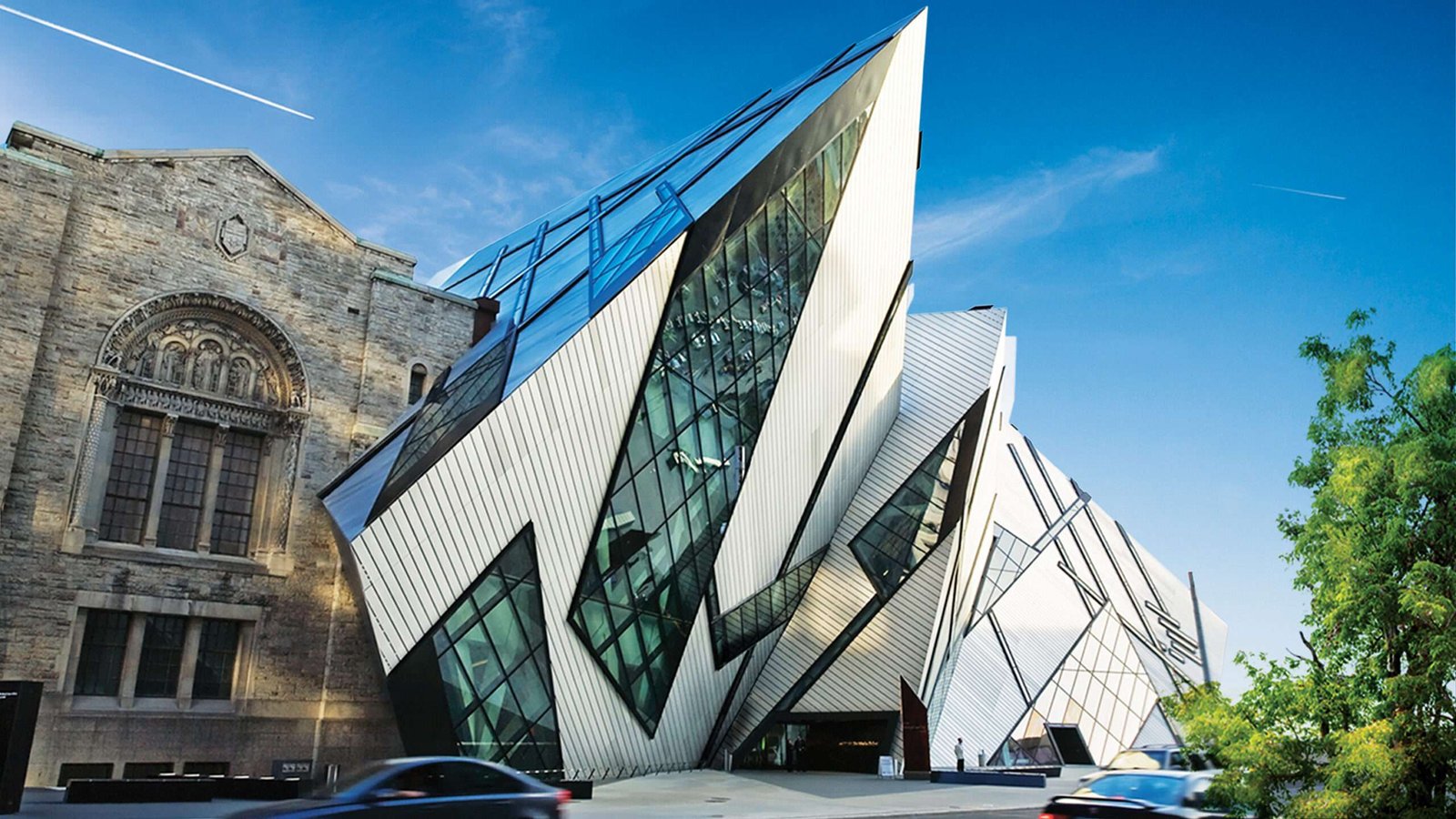
Royal Ontario Museum (ROM)
🧠 Fact: Canada’s largest museum of world cultures and natural history.
💡 Tip: Visit on Friday nights for discounted admission.
Info - Canada’s largest and one of North America’s finest museums, the Royal Ontario Museum (ROM) blends striking contemporary architecture with grand galleries. Its collection spans natural history, world cultures, and art, featuring dinosaur skeletons, ancient artifacts, and interactive exhibits. Highlights include the Egyptian mummies and the Gallery of Chinese Architecture. The Michael Lee-Chin Crystal addition gives the building its dramatic, angular look. With rotating exhibitions and kid-friendly spaces, the ROM appeals to all ages and interests — an essential stop for culture seekers.
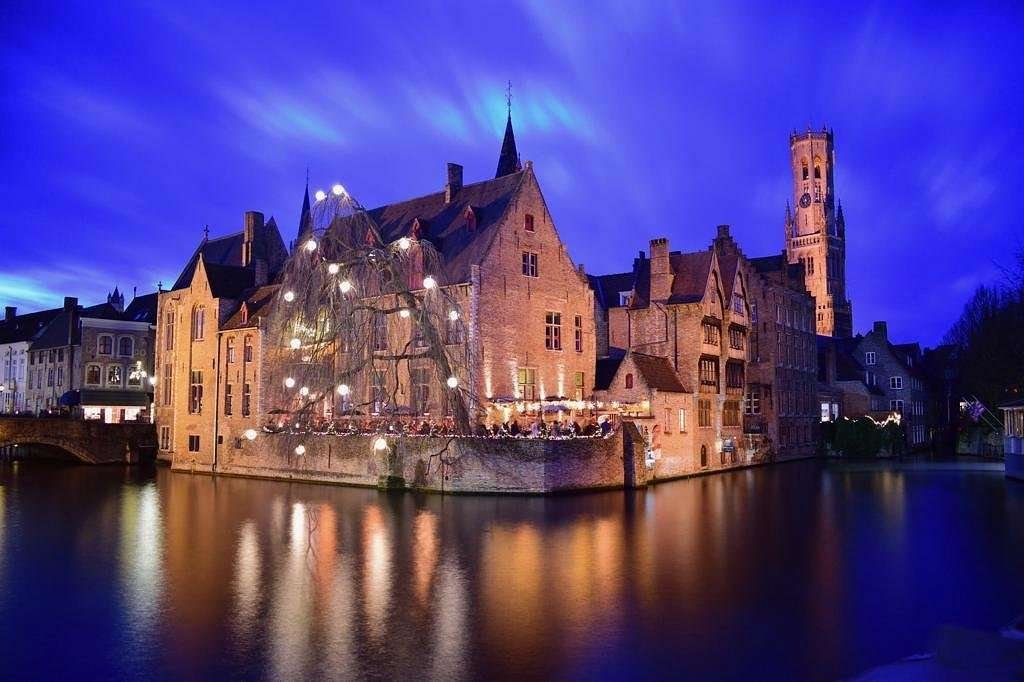
Rozenhoedkaai Viewpoint
🧠 Fact: This iconic canal-side spot is the most photographed place in Bruges.
💡 Tip: Visit early in the morning to avoid crowds and get the best light.
Info -Rozenhoedkaai is perhaps the most photographed location in Bruges. With its stunning view of medieval facades reflected in the water and the towering Belfry in the background, it captures the essence of the city’s canal-side beauty. It’s especially magical at sunset when the buildings glow in the fading light.
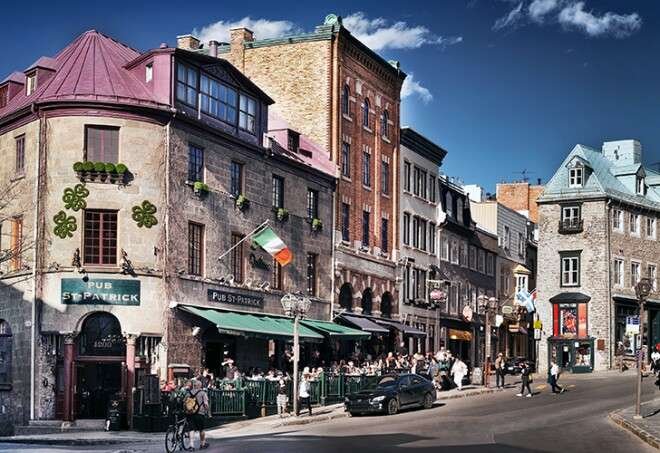
Rue Saint-Jean
🧠 Fact: A lively street full of shops, bars, and restaurants.
💡 Tip: Try local poutine or a maple dessert while walking.
Info - Rue Saint-Jean is one of Old Québec’s liveliest and most atmospheric streets, blending history with modern vibrance. This bustling thoroughfare stretches from the city’s ancient gates into the heart of the old town, lined with lively pubs, artisan bakeries, charming boutiques, and street performers. The architecture reflects centuries of French and British influence, making it a beautiful spot for a leisurely stroll. In summer, café terraces spill onto the sidewalks, while winter brings festive lights and cozy indoor escapes. It's perfect for picking up local treats like maple candies and soaking up Québec City’s spirited vibe.
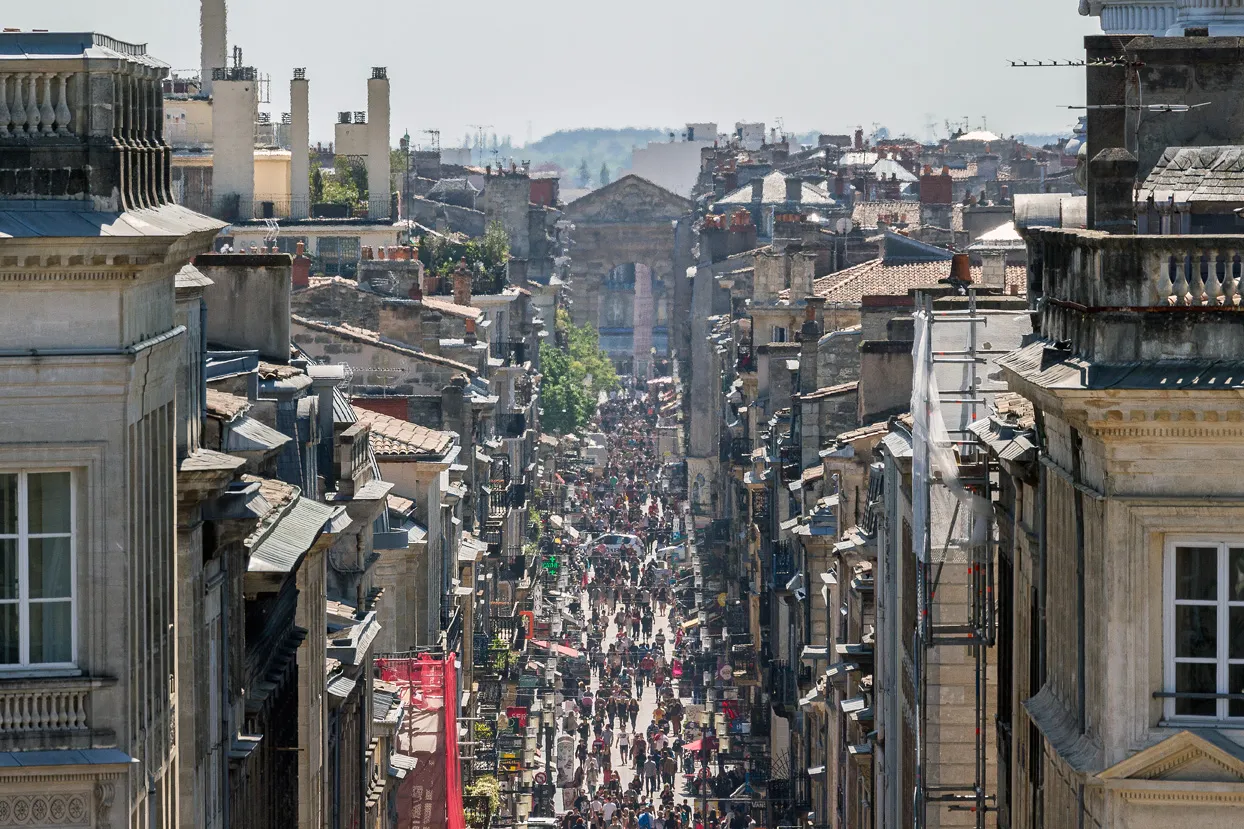
Rue Sainte-Catherine
🧠 Fact: One of the longest pedestrian shopping streets in Europe.
💡 Tip: Explore both high-street brands and local boutiques.
Info - Rue Sainte-Catherine is Bordeaux’s bustling pedestrian thoroughfare and one of Europe’s longest shopping streets. Stretching for 1.2 kilometers through the city center, it’s lined with a lively mix of international brands, local boutiques, cafés, and restaurants. The street connects Place de la Comédie to Place de la Victoire, making it a central artery for both shoppers and sightseers. Whether browsing fashion, savoring Bordeaux pastries, or people-watching from a café terrace, Rue Sainte-Catherine embodies the city’s vibrant commercial and social life, blending modern retail with classic Bordeaux charm.
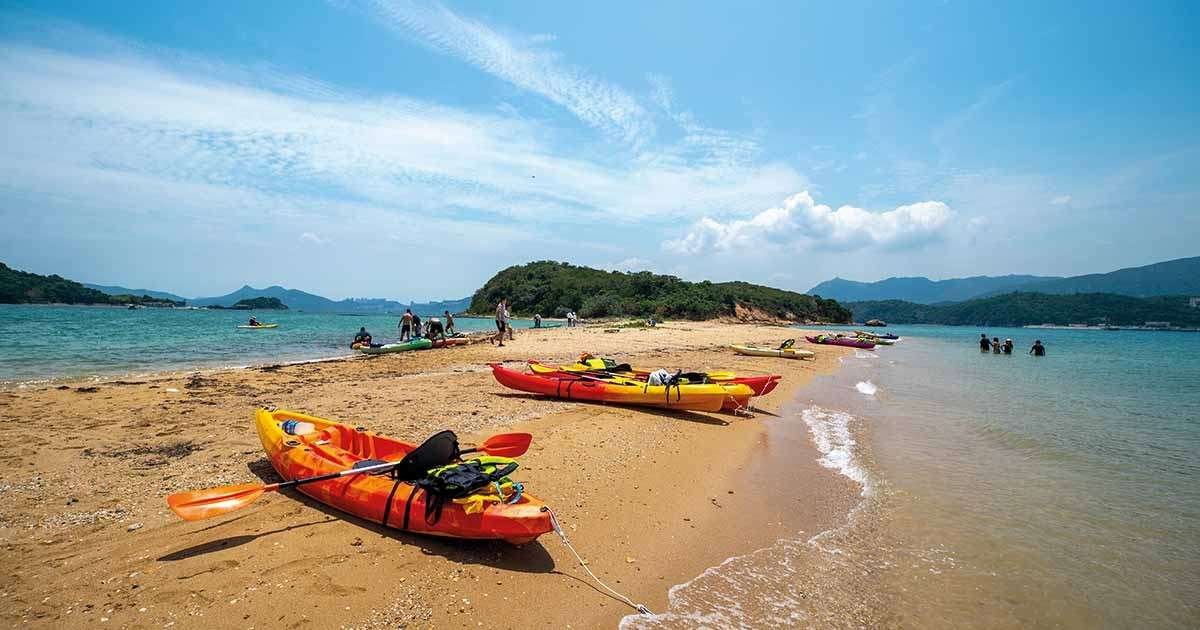
Sai Kung Beaches & Kayaking
🧠 Fact: Famous for crystal-clear waters, coves, and sea caves.
💡 Tip: Rent a kayak to explore the volcanic rock formations.
Info -
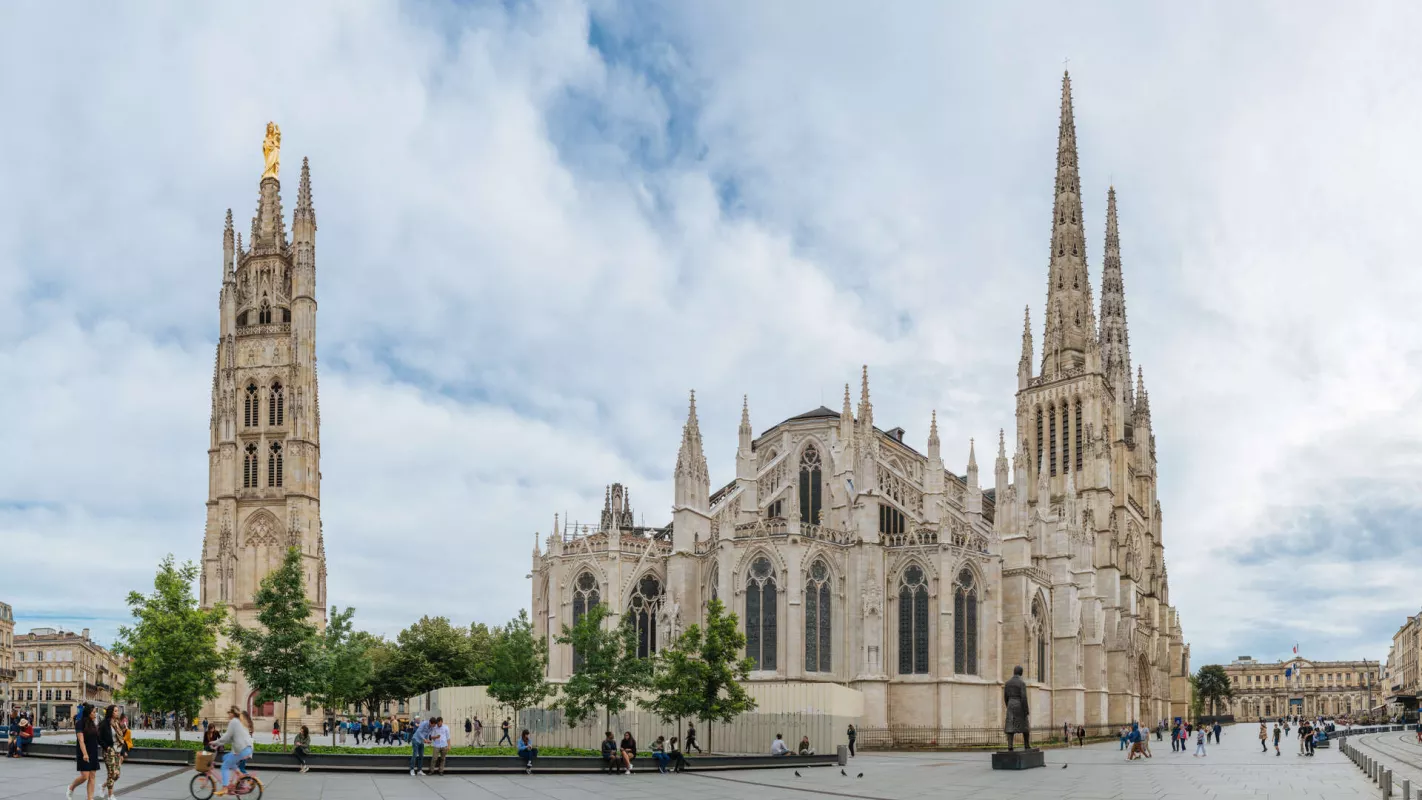
Saint-André Cathedral & Pey-Berland Tower
🧠 Fact: Gothic cathedral with views from the adjacent tower.
💡 Tip: Climb the tower for one of the best views in Bordeaux.
Info - Saint-André Cathedral is Bordeaux’s grand Gothic masterpiece, dating back to the 12th century and a UNESCO World Heritage Site. Known for its ornate façades, beautiful stained glass, and vaulted interiors, the cathedral has witnessed centuries of royal ceremonies and religious history. Adjacent stands the Pey-Berland Tower, a separate bell tower offering panoramic views of Bordeaux’s rooftops and the surrounding countryside. Climbing its 231 steps rewards visitors with one of the city’s best viewpoints. Together, the cathedral and tower form a remarkable pairing of medieval architecture and city heritage.