


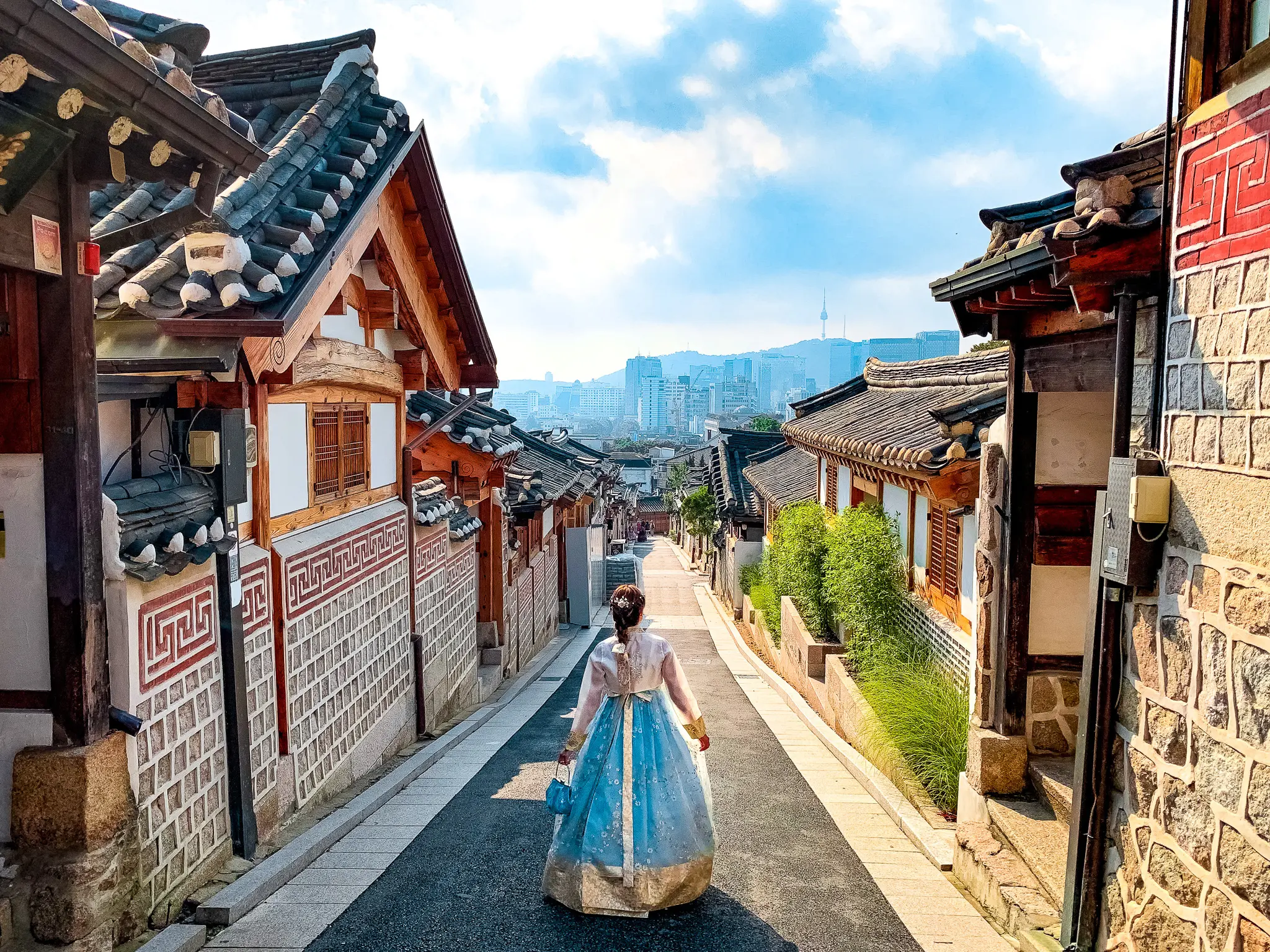
Bukchon Hanok Village
🧠 Fact: This traditional village showcases hundreds of hanok houses, offering a glimpse into Korea's past.
💡 Tip: Visit early in the morning to avoid crowds and respect residents' privacy.
Info: Bukchon Hanok Village, located in the heart of Seoul, South Korea, is a charming neighborhood that showcases traditional Korean architecture. Home to hundreds of well-preserved hanok (traditional Korean houses), the village offers a glimpse into the lifestyle of the Joseon-era aristocracy. Nestled between Gyeongbokgung and Changdeokgung Palaces, it blends cultural heritage with modern life, as many homes now serve as galleries, tea houses, and guesthouses. Visitors can wander through narrow alleys, admire the elegant wooden homes, and enjoy the serene atmosphere that contrasts with the bustling city surrounding it.
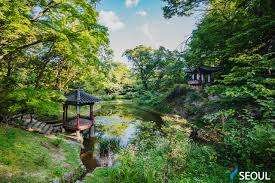
Changdeokgung Palace and Huwon (Secret Garden)
🧠 Fact: A UNESCO World Heritage site, renowned for its harmonious blend with nature.
💡 Tip: Join a guided tour to access the Secret Garden, as it's only available through scheduled tours.
Info: Changdeokgung Palace and Huwon, also known as the Secret Garden, is a UNESCO World Heritage Site located in Seoul, South Korea. Built in the early 15th century, the palace served as a royal residence during the Joseon Dynasty and is renowned for its harmonious integration with nature. Huwon, the palace’s hidden garden, features pavilions, lotus ponds, and centuries-old trees, offering a peaceful retreat within the city. The palace's elegant architecture and beautifully landscaped grounds reflect traditional Korean aesthetics, making it a must-visit for those interested in history, culture, and serene natural beauty.
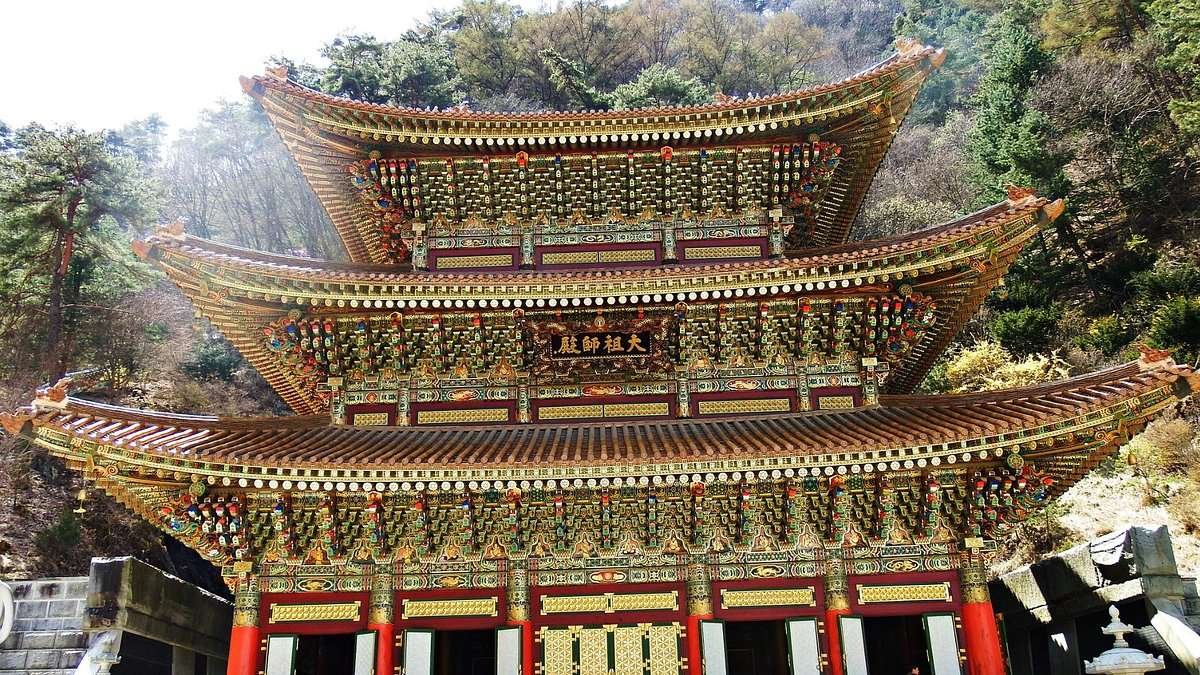
Guinsa Temple
🧠 Fact: The headquarters of the Cheontae Order of Korean Buddhism, nestled in the Sobaek Mountains.
💡 Tip: Participate in a temple stay program for an immersive cultural and spiritual experience.
Info: Guinsa Temple (구인사), nestled deep in a narrow valley of the Sobaek Mountains near Danyang, South Korea, is the vibrant headquarters of the Cheontae school of Korean Buddhism. Founded in 1945 by Monk Sangwol Wongak and rebuilt with dramatic multi‑story concrete halls by 1966, it now comprises over 50 buildings—including a soaring five‑storey Dharma Law Hall—with capacity for around 10,000 monks.
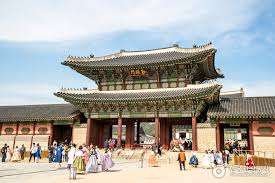
Gyeongbokgung Palace
🧠 Fact: Built in 1395, Gyeongbokgung is the largest of the Five Grand Palaces from the Joseon Dynasty.
💡 Tip: Renting a hanbok (traditional Korean attire) grants you free entry and enriches the cultural experience.
Info: Gyeongbokgung Palace, located in Seoul, South Korea, is the largest and most iconic of the Five Grand Palaces built during the Joseon Dynasty. Originally constructed in 1395, it served as the main royal residence and symbol of national sovereignty. The palace features stunning traditional architecture, expansive courtyards, and the picturesque Gyeonghoeru Pavilion. Visitors can witness the changing of the royal guard ceremony and explore the National Palace Museum and the National Folk Museum within its grounds. Gyeongbokgung offers a fascinating glimpse into Korea's royal history and cultural heritage.
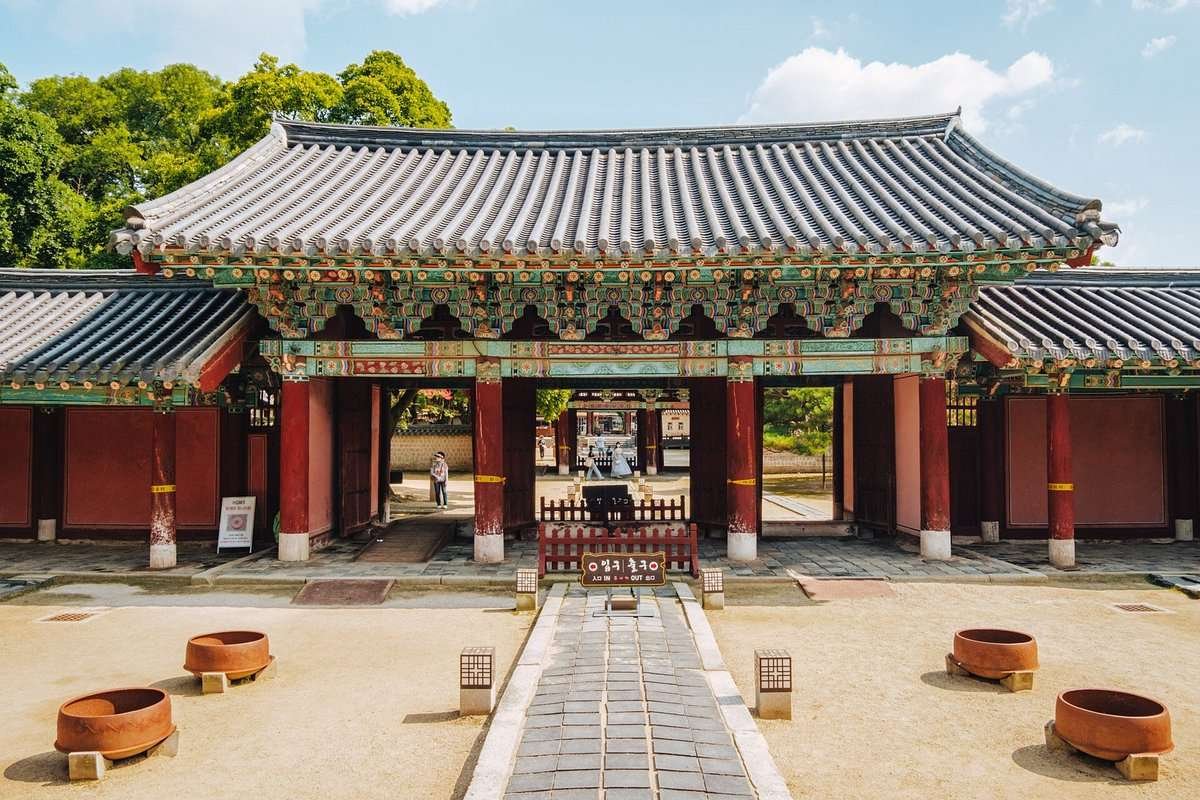
Gyeonggijeon Shrine
🧠 Fact: Built in 1410, it enshrines a portrait of King Tae-jo, founder of the Joseon Dynasty.
💡 Tip: Ideal for peaceful strolls — especially in spring when cherry blossoms bloom.
Info: Gyeonggijeon Shrine, located in Jeonju, South Korea, is a historic site built in 1410 to enshrine the portrait of King Taejo, the founder of the Joseon Dynasty. Surrounded by ancient pine trees and traditional architecture, the shrine offers a peaceful glimpse into Korea’s royal heritage. The complex also houses a museum displaying historical artifacts, royal portraits, and documents. Its well-preserved hanok buildings and serene atmosphere make it a popular destination for history enthusiasts and tourists exploring the nearby Jeonju Hanok Village.
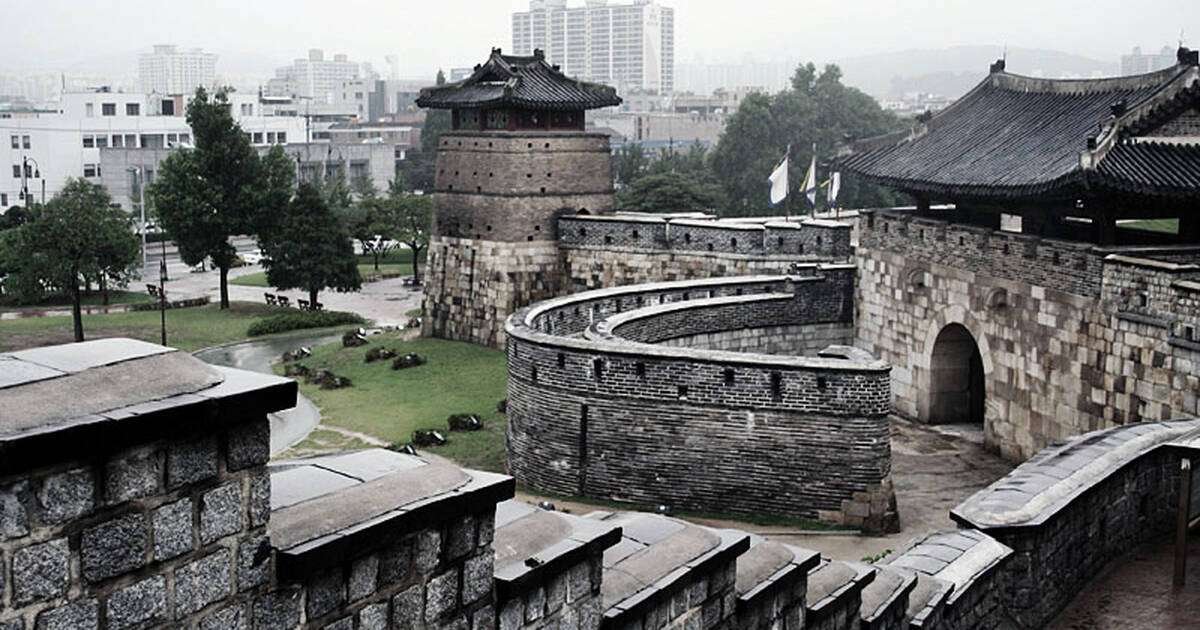
Hwaseong Fortress
🧠 Fact: A UNESCO World Heritage Site built in the late 18th century, encircling Suwon city.
💡 Tip: Walk the entire fortress wall loop for panoramic views over Suwon.
Info: Hwaseong Fortress, located in Suwon, South Korea, is a UNESCO World Heritage site built in the late 18th century during the Joseon Dynasty. Commissioned by King Jeongjo to honor his father and strengthen the kingdom, the fortress showcases impressive military architecture, combining Eastern and Western design techniques. The massive stone and brick walls stretch over 5.7 kilometers and include watchtowers, gates, and bastions. Surrounded by scenic landscapes, Hwaseong is not only a historical landmark but also a popular spot for walking, cultural events, and traditional archery experience.
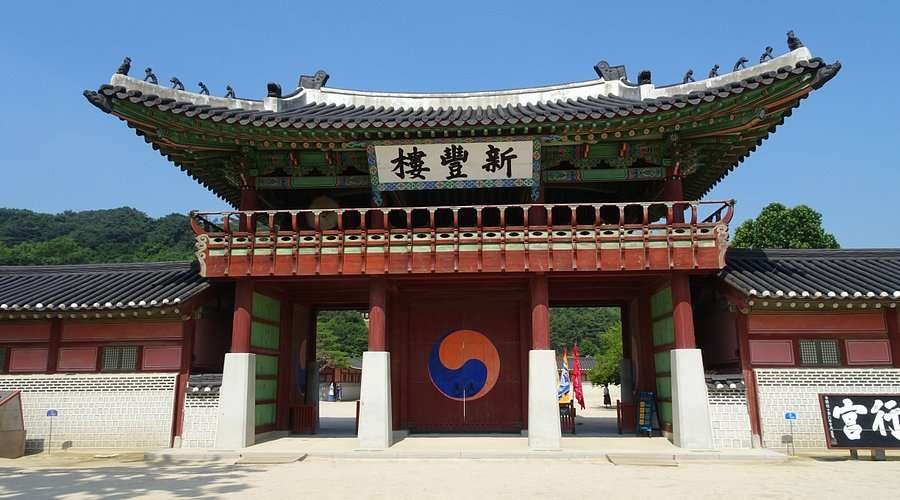
Hwaseong Haenggung Palace
🧠 Fact: Korea’s largest temporary palace, historically used by King Jeongjo during royal visits.
💡 Tip: Time your visit for a reenactment of royal parades on weekends.
Info: Hwaseong Haenggung Palace, nestled in Suwon, South Korea, is the royal temporary residence within the grand Hwaseong Fortress, built under King Jeongjo in 1794. Designed as a retreat for the king during official visits, the palace showcases beautifully restored hanok-style buildings—such as the Jeongjeongmun Gate and the Jongyemun Hall—set amidst pine trees and winding fortress walls. Its intimate scale and serene courtyards offer a glimpse into Joseon-era royal life away from the main palace in Seoul. Today, Hwaseong Haenggung hosts cultural performances, traditional ceremonies, and festivals, inviting visitors to step back into Korea’s regal past.
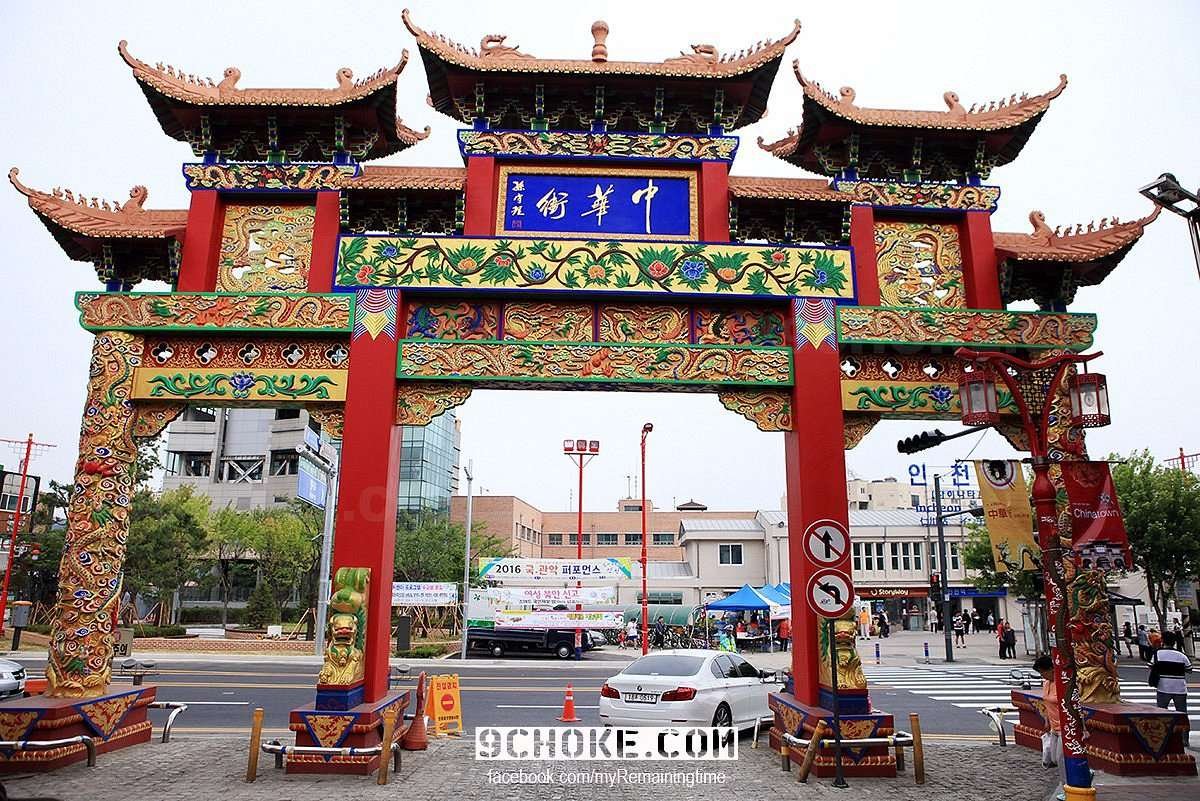
Incheon Chinatown
🧠 Fact: Korea’s largest and oldest Chinatown, known for fusion dishes like Jajangmyeon.
💡 Tip: Visit during Lunar New Year for lion dances and street festivals.
Info: Incheon Chinatown, located near Incheon Station in South Korea, is the country’s largest and only official Chinatown. Established in 1883, it blends Chinese and Korean cultures through vibrant streets filled with colorful lanterns, murals, and traditional architecture. Visitors can enjoy authentic Chinese cuisine, including the famous Jajangmyeon noodles, which originated here. The area also features attractions like Jayu Park and cultural centers showcasing Chinese history in Korea. Incheon Chinatown offers a unique, immersive cultural experience just an hour from Seoul, making it a popular destination for locals and tourists alike.
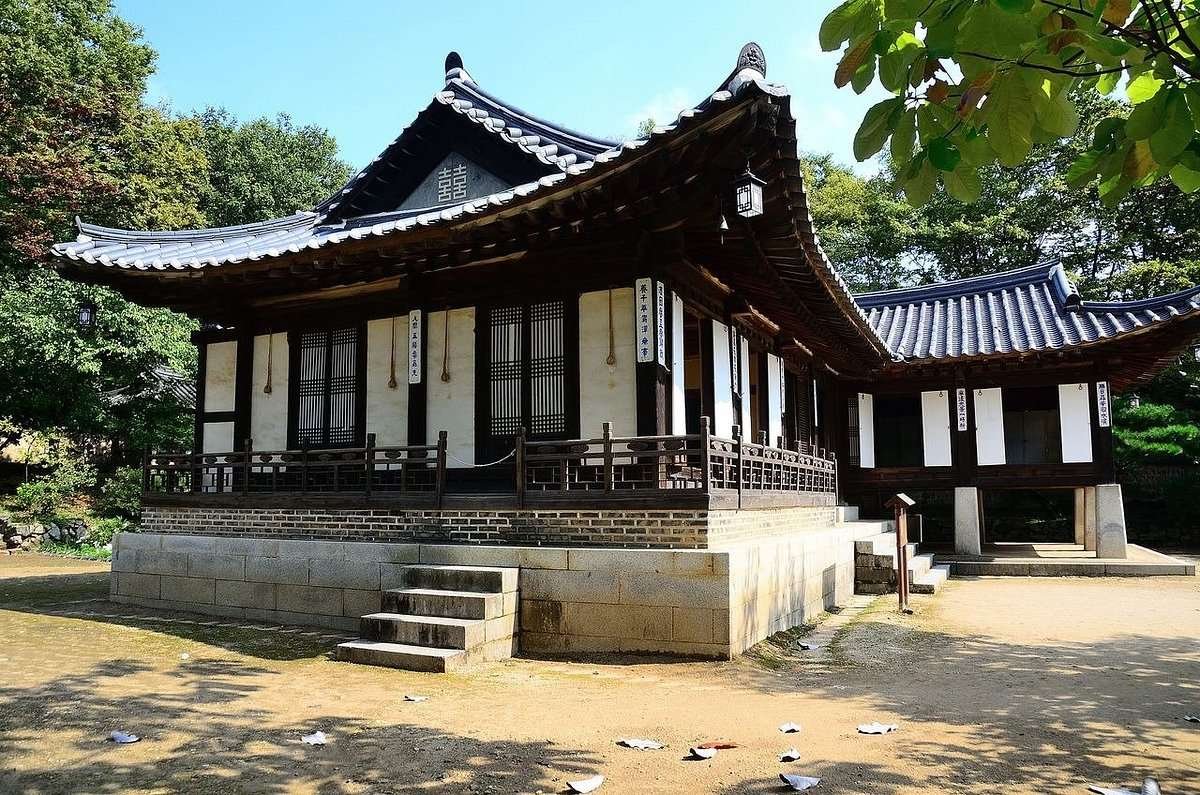
Korean Folk Village
🧠 Fact: An outdoor living history museum showcasing Joseon-era village life with real performances and artisans.
💡 Tip: Great for families; check the schedule for traditional wedding ceremonies and tightrope walking.
Info: Korean Folk Village, located near Yongin, Gyeonggi Province, offers a living museum experience that vividly brings Joseon-era Korea to life. Set across traditional hanok homes, workshops, and agricultural fields, the village recreates rural life with artisans demonstrating crafts like pottery, weaving, and blacksmithing. Visitors can enjoy cultural performances such as tightrope walking, folk dances, and equestrian shows, along with sampling traditional snacks and local meals. Seasonal festivals—from harvest celebrations to lantern events—enhance the immersive atmosphere. Nestled amid rolling hills and serene lakes, the Korean Folk Village provides a picturesque and educational journey into Korea’s rich folk heritage.
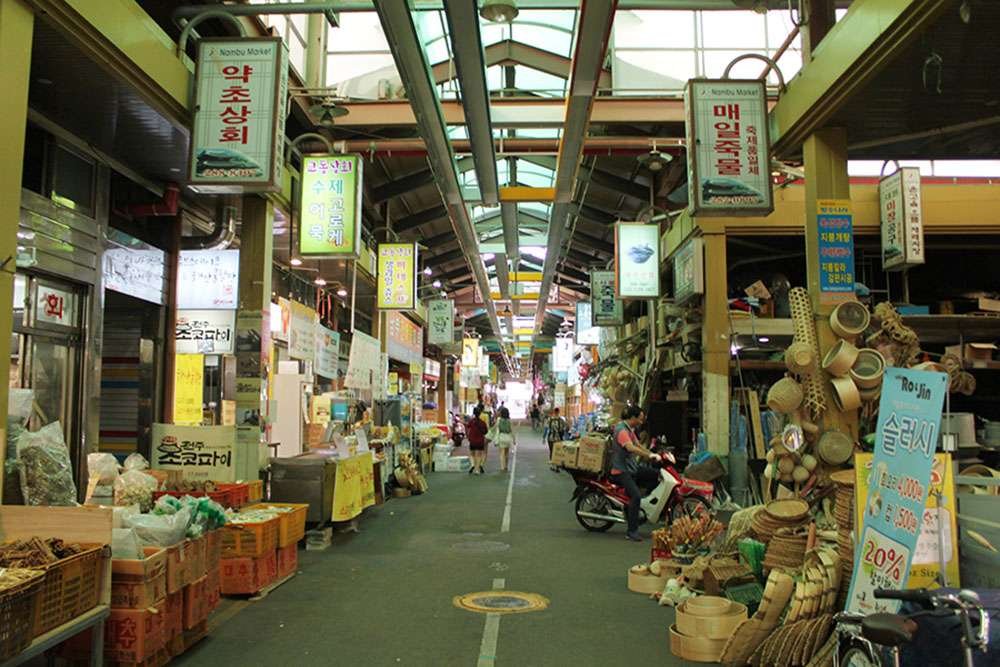
Nambu Traditional Market
🧠 Fact: A lively market famous for night food stalls and vintage flea markets.
💡 Tip: Don’t miss the Makgeolli Alley for authentic Korean rice wine taverns.
Info: Nambu Traditional Market, located in Jeonju, South Korea, is a bustling and vibrant marketplace known for its rich history and local charm. Established during the Joseon Dynasty, the market offers a wide range of goods, including fresh produce, street food, clothing, and handmade crafts. It's especially famous for its lively night market, where visitors can enjoy traditional Korean snacks and cultural performances. With its friendly atmosphere and authentic local experience, Nambu Market is a must-visit destination for anyone wanting to explore Korea’s traditional market culture.